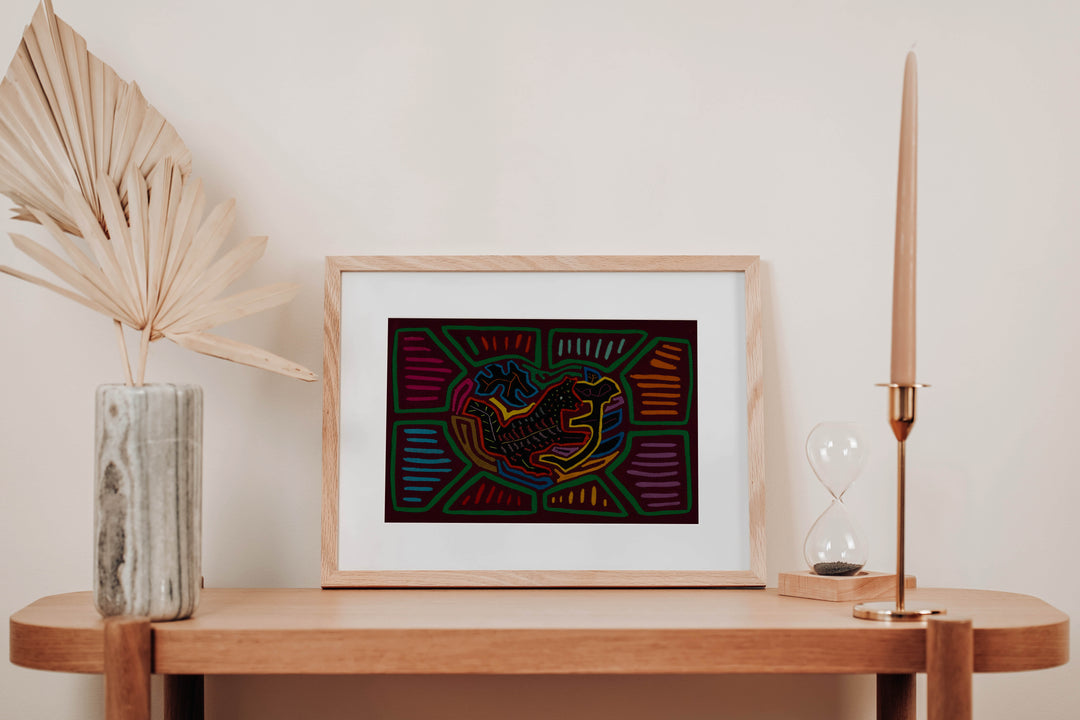
Small dog stretched forward in a full leap mola, hand stitched Guna panel from Panama, 16 by 11 inches
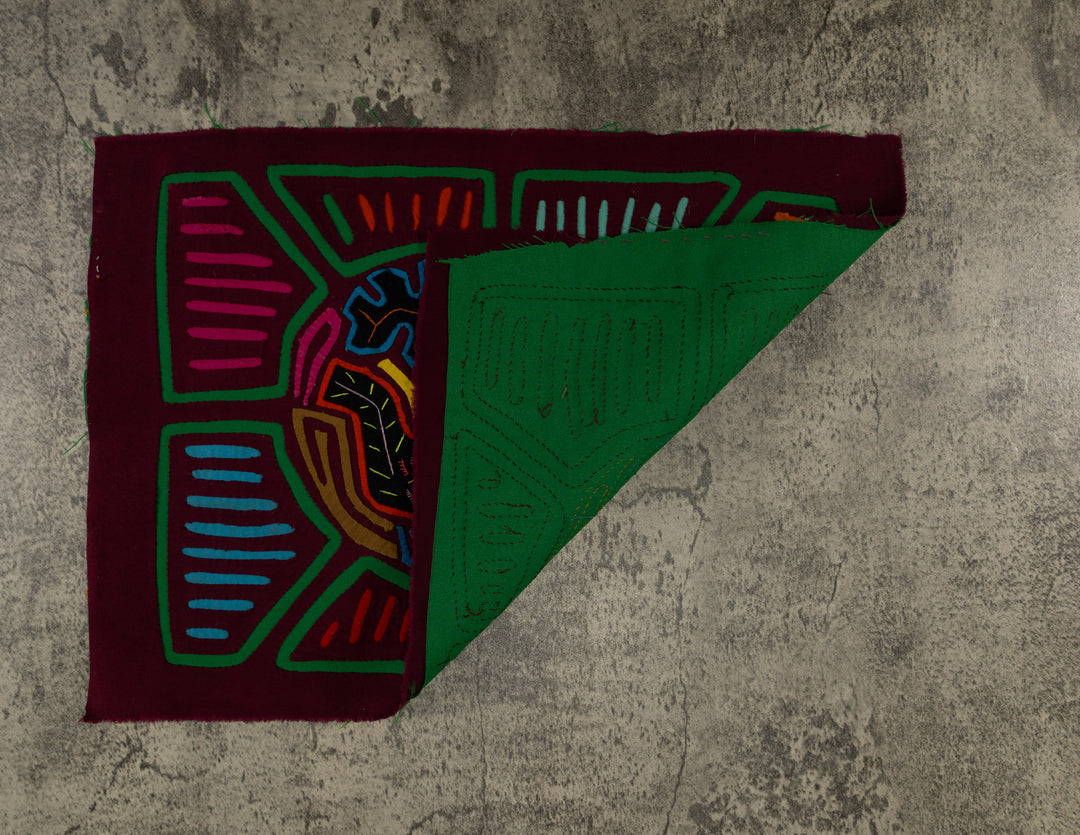
Panama mola panel, eight green framed panels holding coloured slivers, hand stitched reverse applique
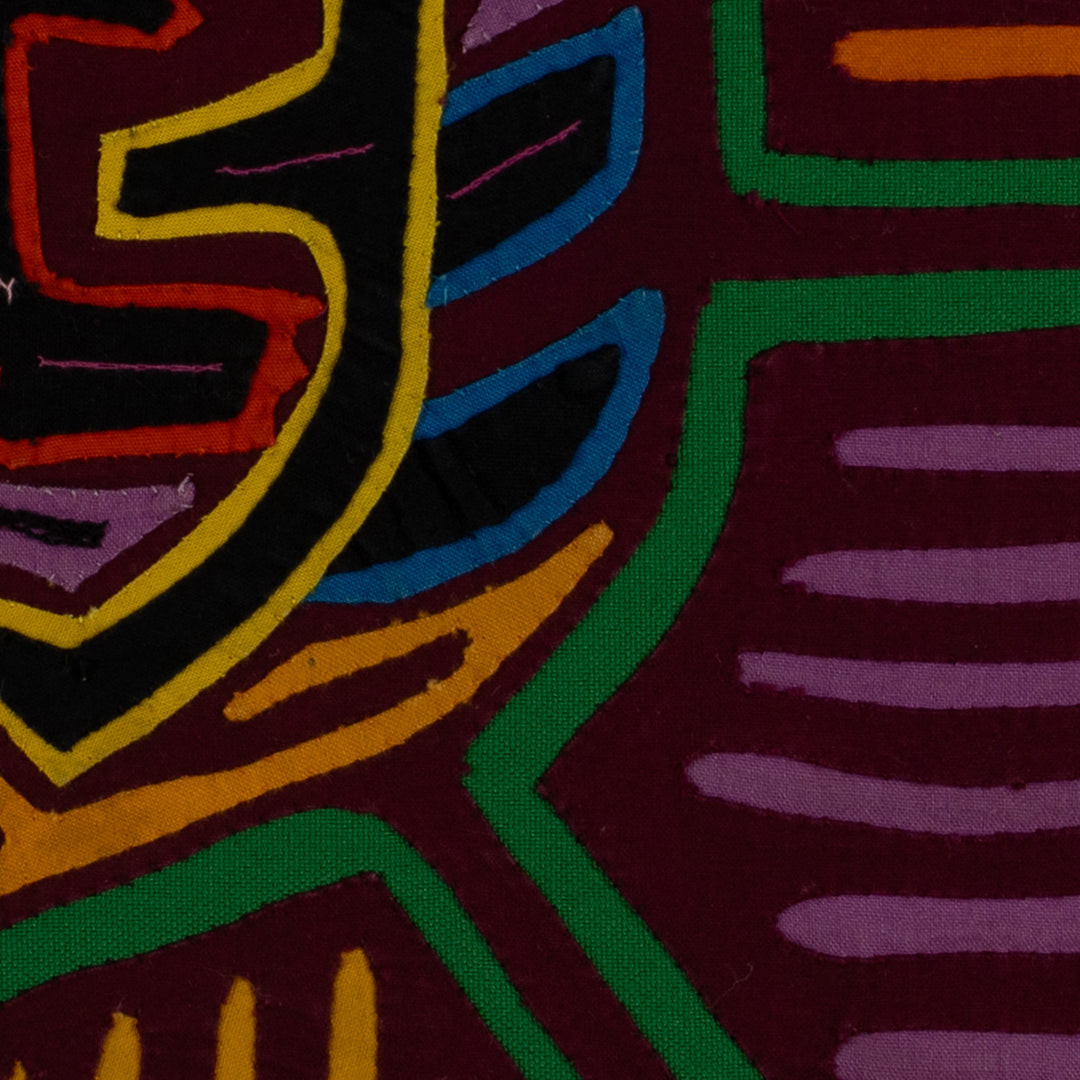
Hand stitched Guna mola from Guna Yala Panama, fine red and yellow stitches speckling the black body
Small dog stretched forward in a full leap mola, hand stitched Guna panel from Panama, 16 by 11 inches
Panama mola panel, eight green framed panels holding coloured slivers, hand stitched reverse applique
Hand stitched Guna mola from Guna Yala Panama, fine red and yellow stitches speckling the black body
Small dog stretched forward in a full leap mola, hand stitched Guna panel from Panama, 16 by 11 inches
Panama mola panel, eight green framed panels holding coloured slivers, hand stitched reverse applique
Hand stitched Guna mola from Guna Yala Panama, fine red and yellow stitches speckling the black body
Small dog stretched forward in a full leap mola, hand stitched Guna panel from Panama, 16 by 11 inches

Puppy Dog Mid Leap And Nowhere To Land Panama Mola

PM3755T

Regular price$ 29.99
/
Shipping calculated at checkout.
  • Handmade in Panama
  • Fair Trade
  • Width: 16 in"
  • Height:11 in "

A puppy dog throws itself forward across the centre of this panel, front legs out, tail up, body black and speckled all over with fine red and yellow stitches. It is outlined first in red, then in gold, and behind it sit a blue hooked shape, a lilac fan and a soft tan curve that read like undergrowth. Around the edges, eight panels framed in grass green each hold a set of short slivers, magenta at the top left, teal and blue down one side, orange and lilac down the other, red and gold below. The ground is deep burgundy throughout. It is 16 inches wide and 11 inches high. Every shape was cut down through stacked cotton and its edges folded under by hand, the reverse applique method.

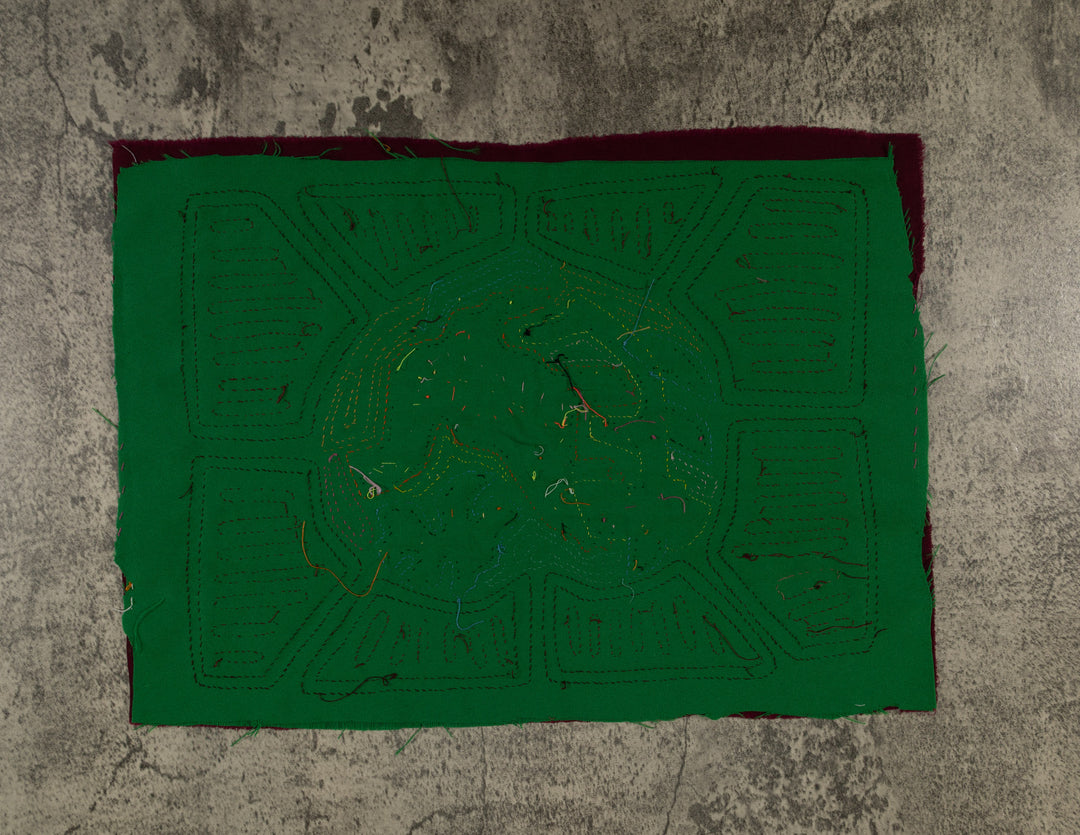
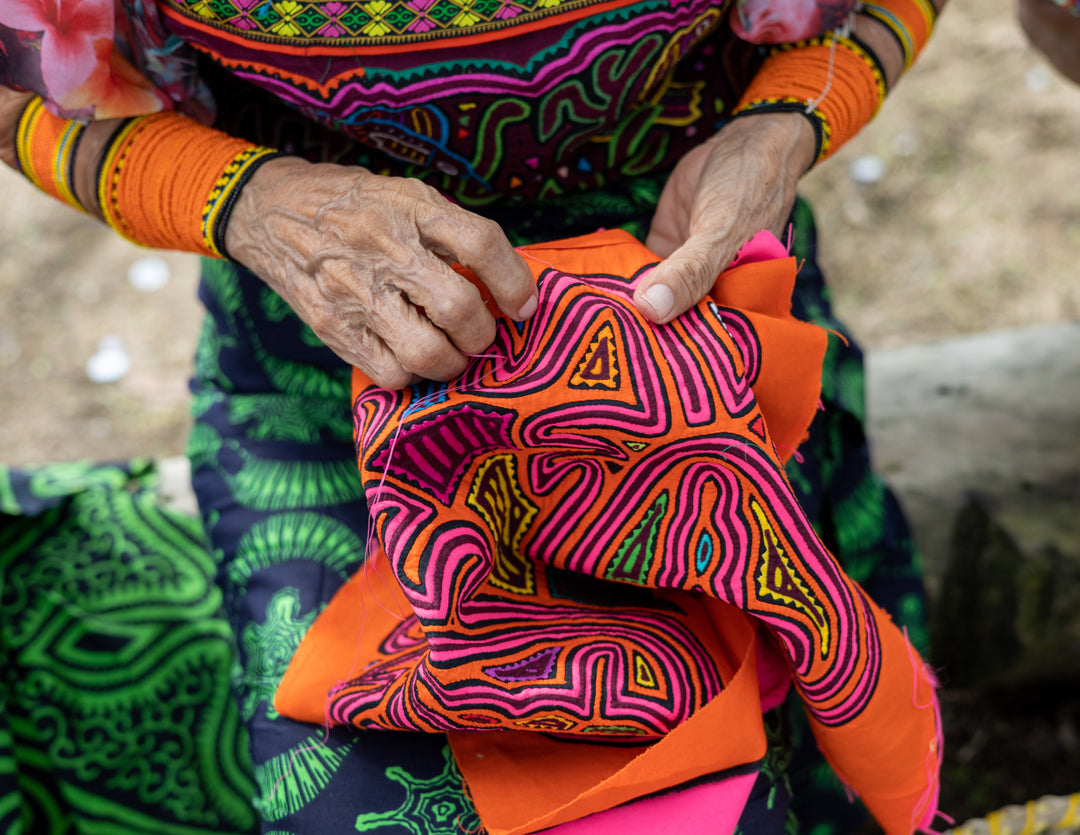
A mola is a hand stitched panel made by the Guna people of Panama, once known as the Kuna. Several layers of colored cotton are stacked, then cut down through one layer at a time so the colors underneath show through, and every raw edge is turned and stitched closed by hand. The technique is called reverse appliqué. Guna women have been refining it for generations, and the designs draw on the birds, fish, plants and geometric patterns of the islands and rainforest where they live.

TraderBrock has bought directly from Guna, Embera, Wounaan and Ngäbe artisans since 1991, and sales revenue goes back into those communities for education, medical care, tools and land. This panel came from Guna Yala, the San Blas islands off Panama's Caribbean coast. It is ready to frame, mount, or sew into a pillow or a quilt panel, and it can be hand washed. No two molas are ever alike, and small variations in size, stitching and color are normal in handmade textiles.

Width: 16"
Height: 11"
SKU: PM3755T

MACHINE WASHABLE To clean, machine wash in cold water on gentle cycle tumble dry on low, do not bleach or iron

This site is protected by hCaptcha and the hCaptcha Privacy Policy and Terms of Service apply.

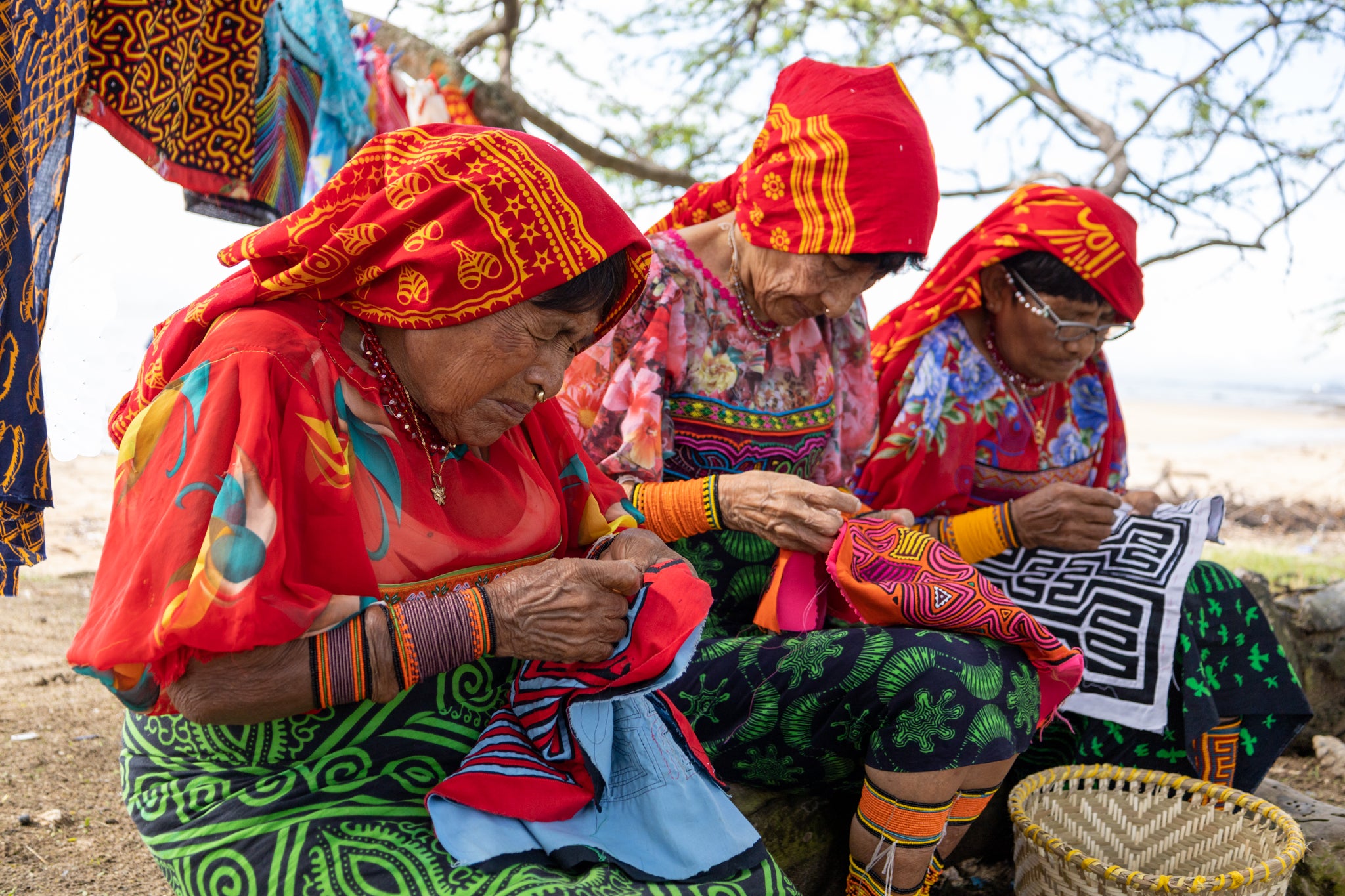
Three Kuna women skillfully sewing a vibrant mola, a traditional textile art, for sale on TraderBrock.com, where you can find unique handcrafted items.

Fair Trade

Made in Panama

by talented artisans, supporting local communities and preserving their rich cultural heritage

Mola Story

Creating a Mola

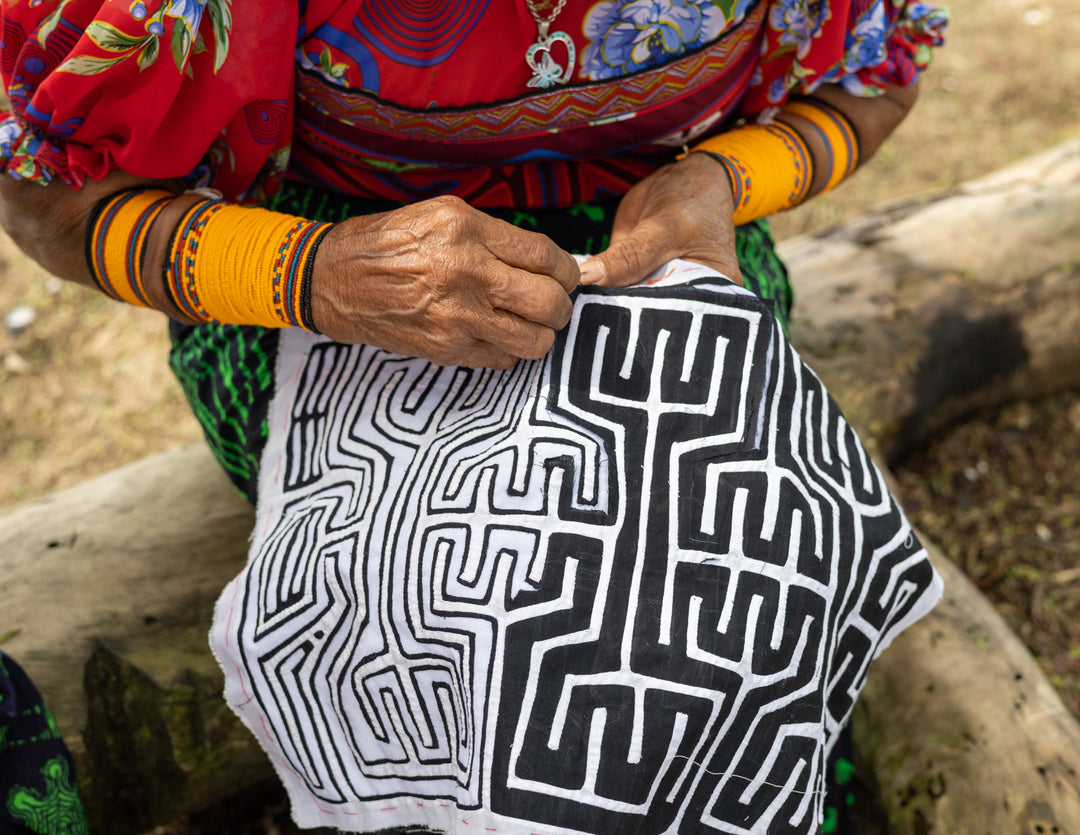
The process begins with layering vibrant cotton fabrics, which are carefully cut to reveal intricate patterns beneath. Guna artisans then use a combination of appliqué and reverse appliqué techniques, often enhancing each piece with fine hand embroidery. The result is a stunning, one-of-a-kind work of textile art rich in tradition, color, and cultural meaning.
meaning behind the designs

Animals

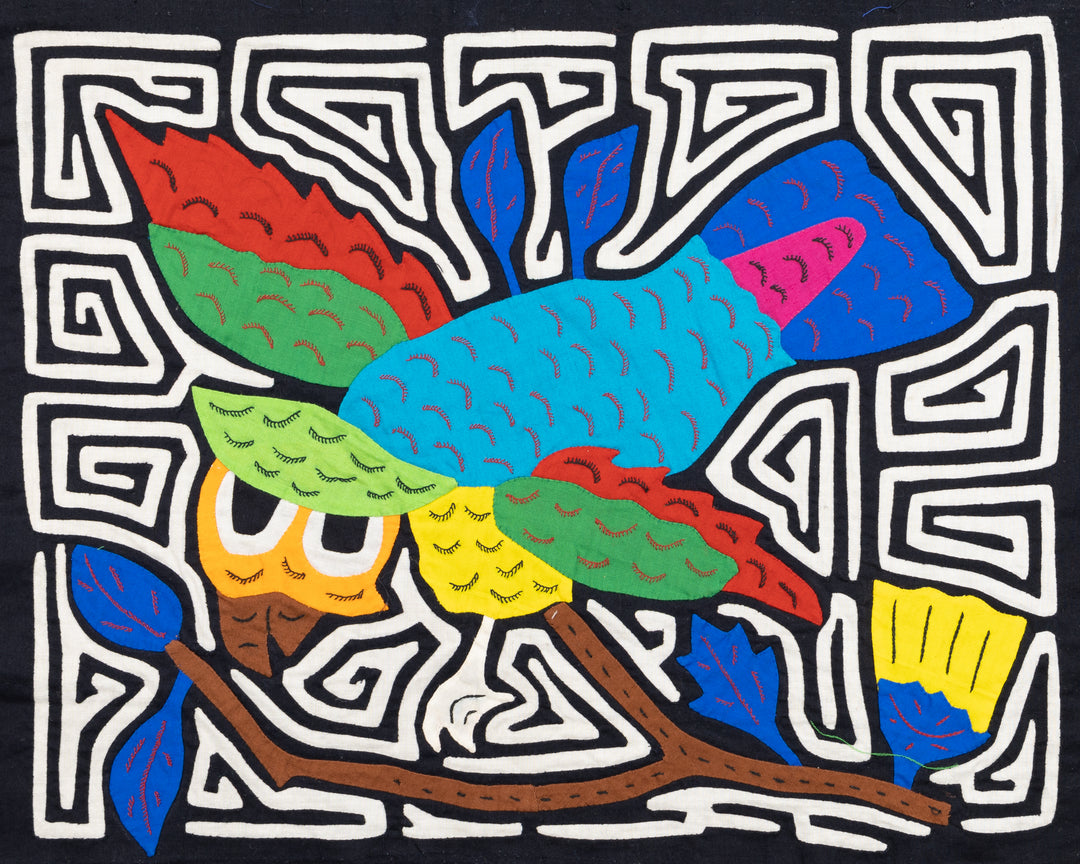
Molas often showcase animals such as birds, fish, turtles, and more. These designs can range from realistic to abstract and sometimes feature multiple animals in a single piece. Each depiction carries symbolic meaning and reflects the Guna people's deep connection to nature.
Geometric

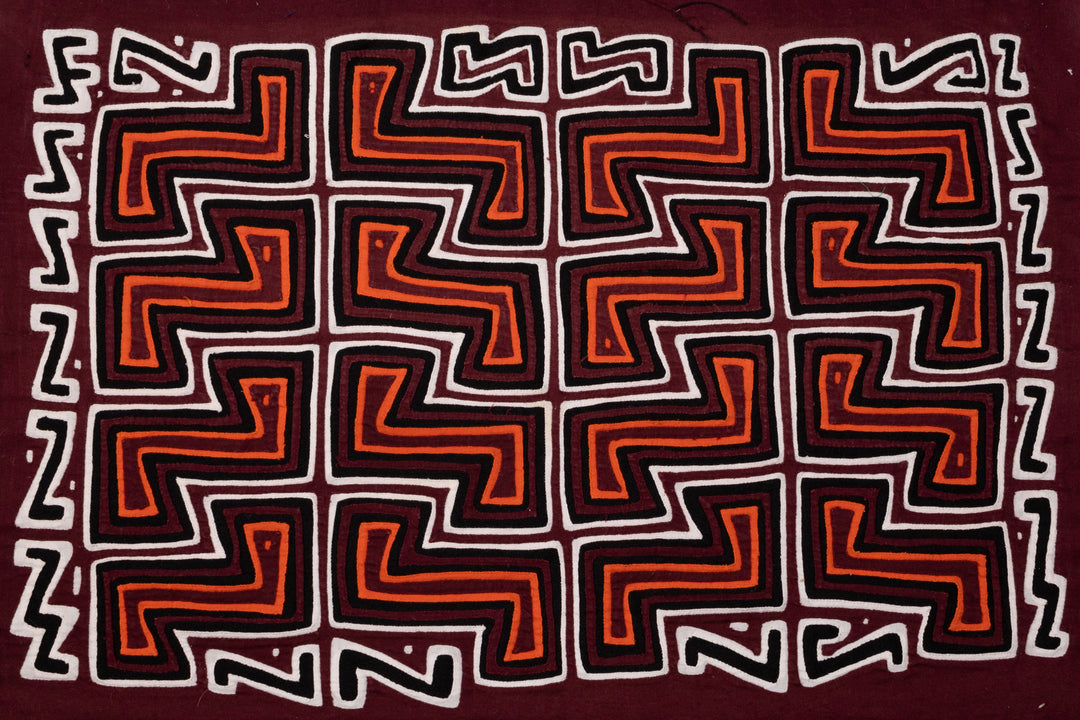
Many molas incorporate intricate geometric patterns like triangles, diamonds, and zigzags. These designs often use vibrant color combinations and may be symmetrical or asymmetrical, symbolizing balance, energy, or cultural motifs.
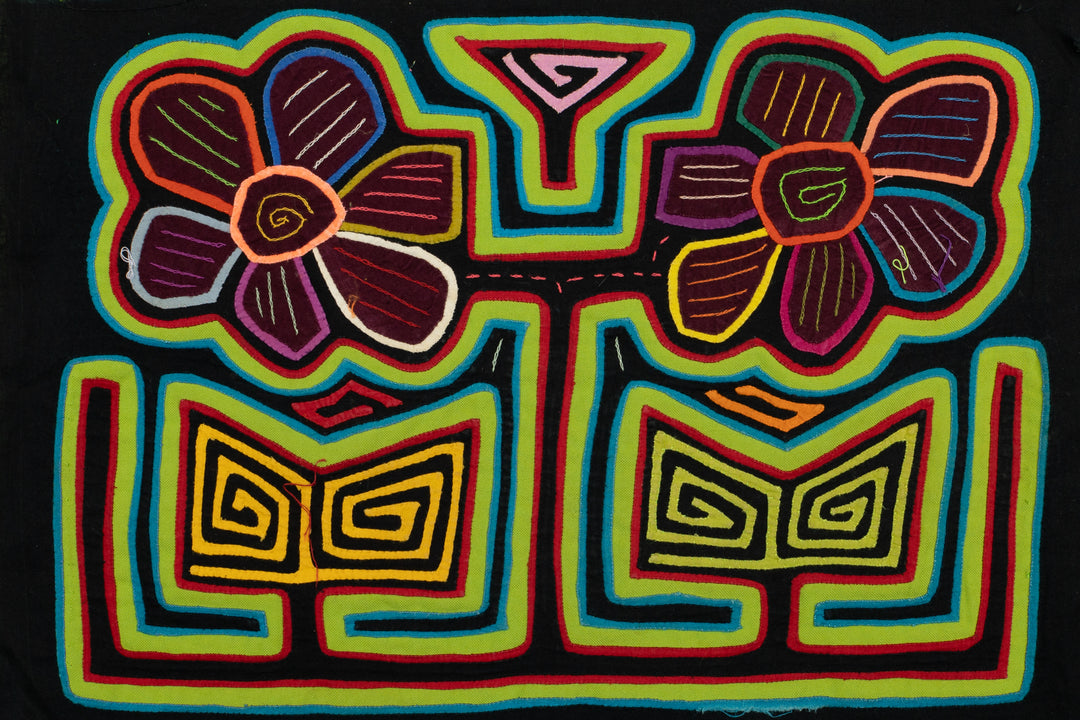
Floral

Floral molas highlight the beauty of nature through depictions of flowers, leaves, and vines. Whether stylized or realistic, these patterns often feature vivid colors and represent growth, life, and harmony with the natural world.
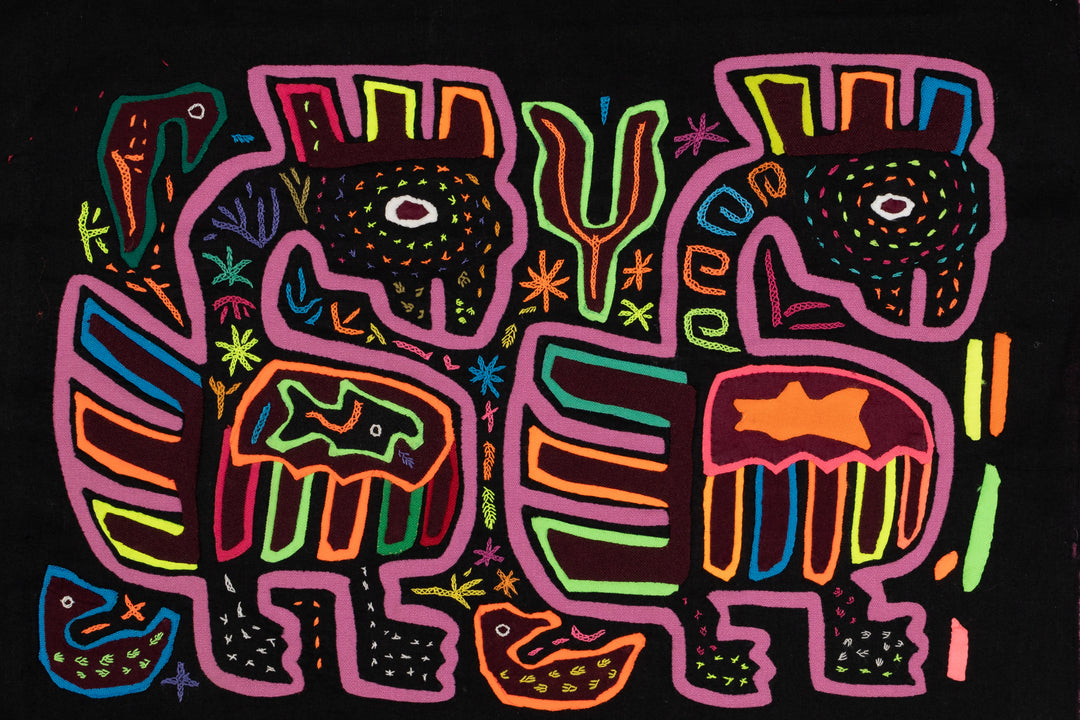
Mythical creatures

Some molas portray mythical beings such as dragons, mermaids, or hybrid animals. These imaginative designs often blend storytelling with spiritual symbolism, reflecting legends passed down through generations.
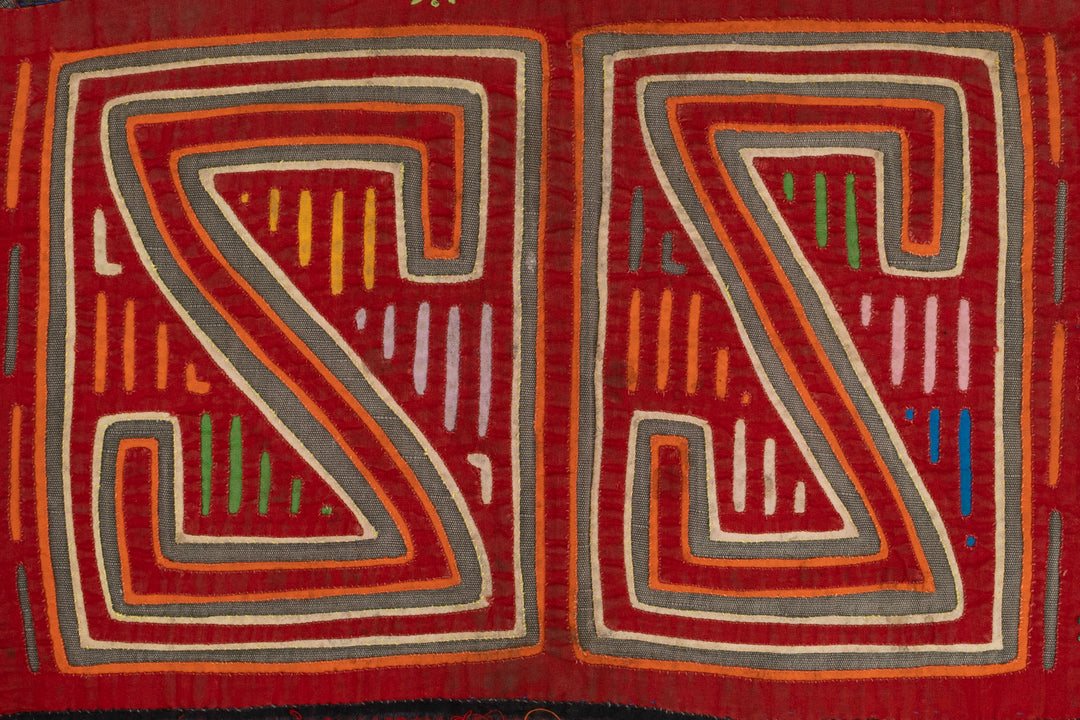
Cultural symbols

Molas sometimes feature sacred or traditional symbols that hold cultural or spiritual meaning. These motifs may represent identity, protection, or ancestral knowledge, offering a glimpse into the values of Guna heritage.
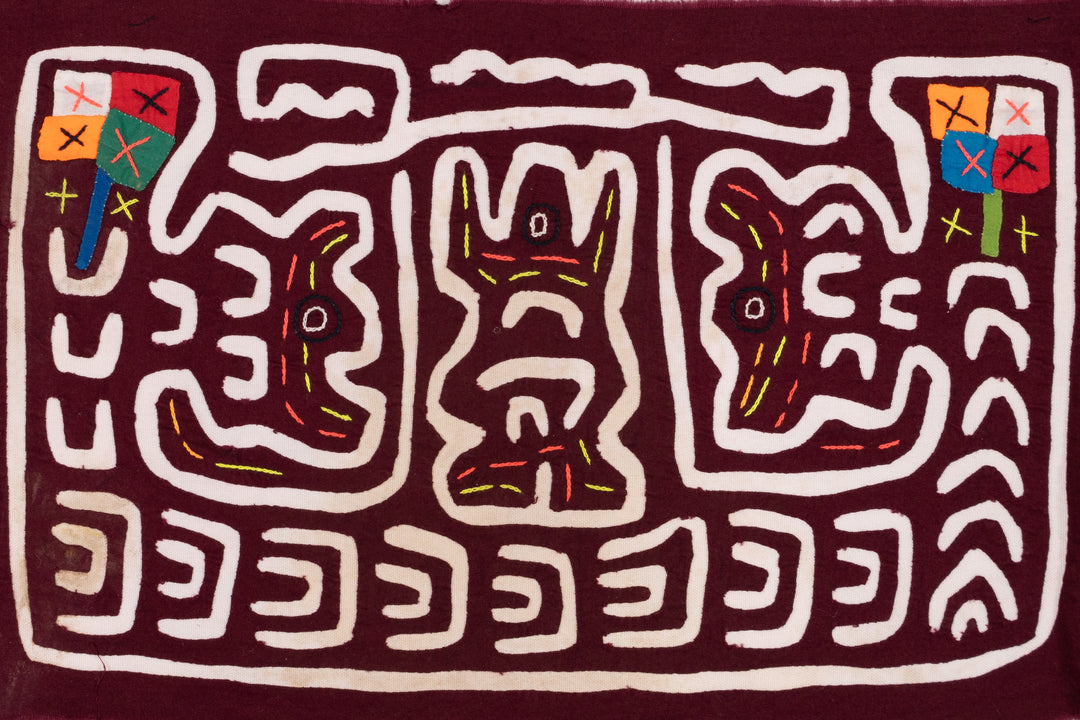
Landscapes

Scenic molas depict landscapes such as islands, rivers, or village life. These compositions capture the daily environment of the Guna people and celebrate their deep bond with the land and sea.
Cultural Meaning

Molas are more than wearable art, they are powerful expressions of Guna identity, heritage, and worldview. Through intricate designs, they tell stories of myths, traditions, and everyday life. As an essential part of Guna women's clothing, molas reflect cultural pride, creativity, and a deep connection to community and history.

You may also like


Recently viewed