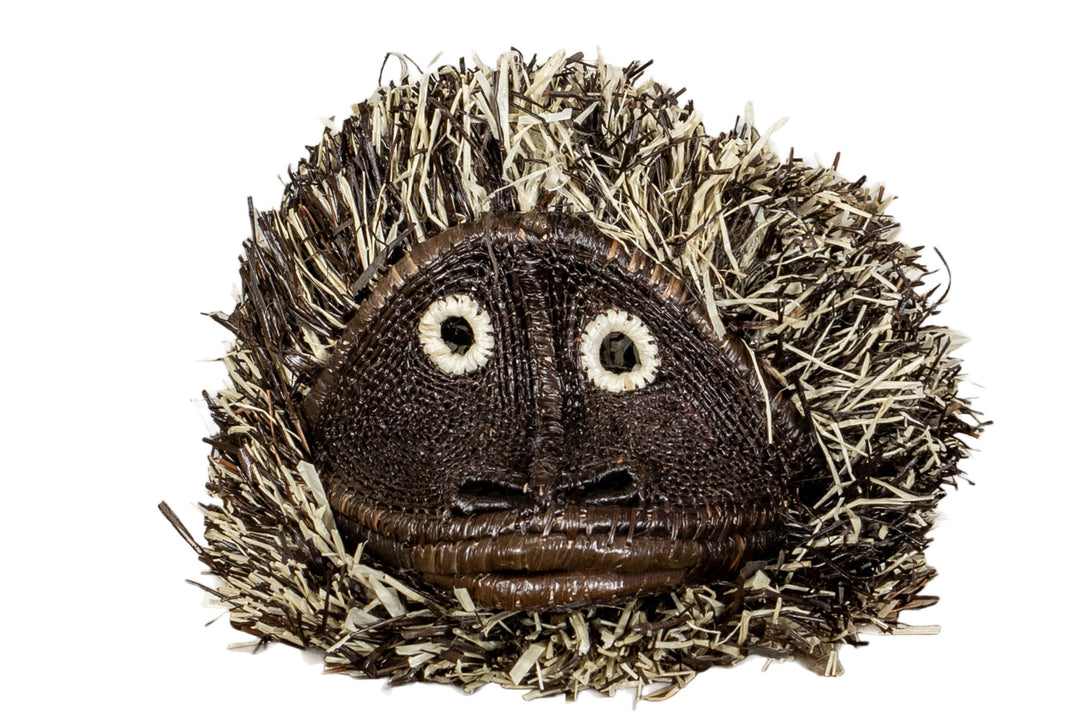
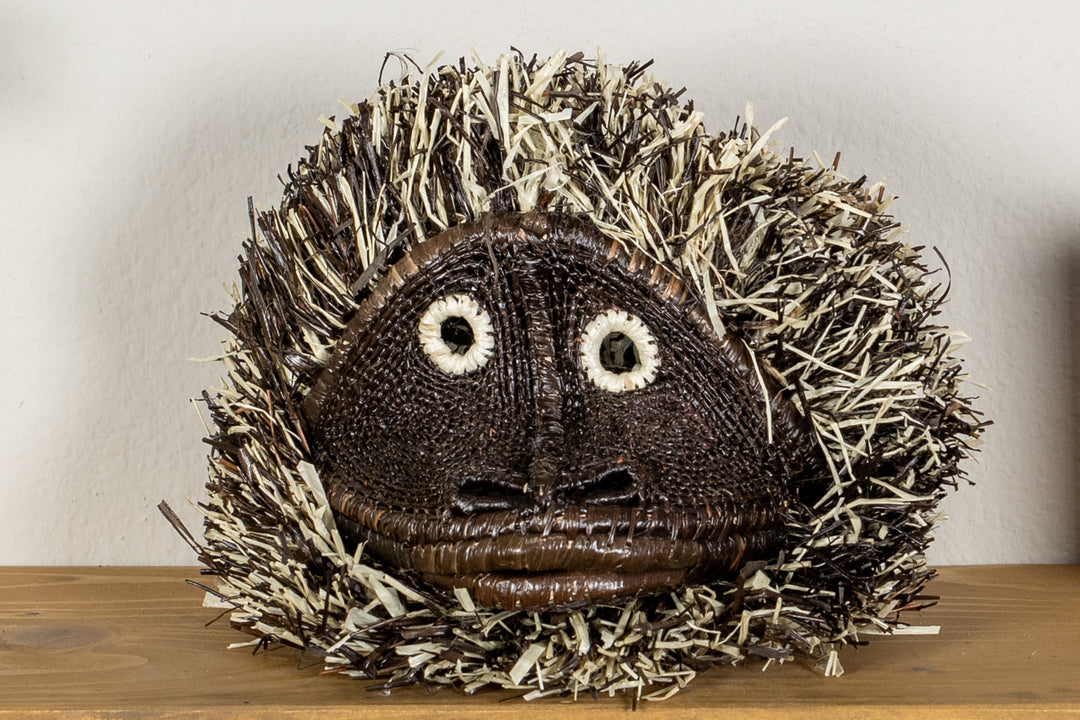
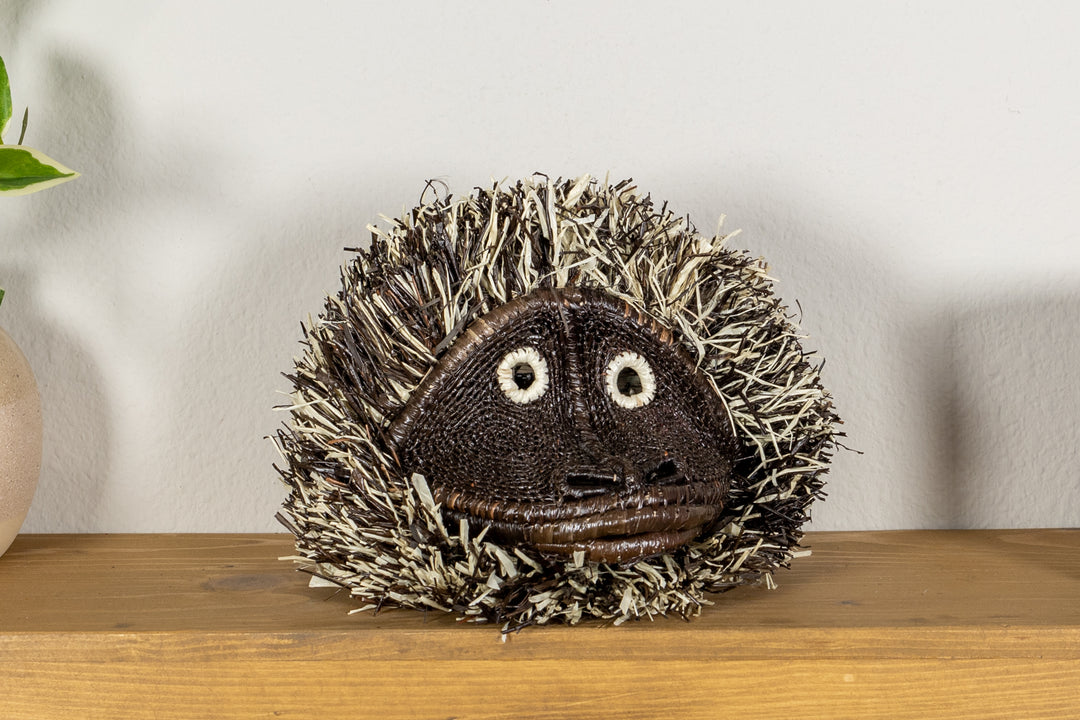
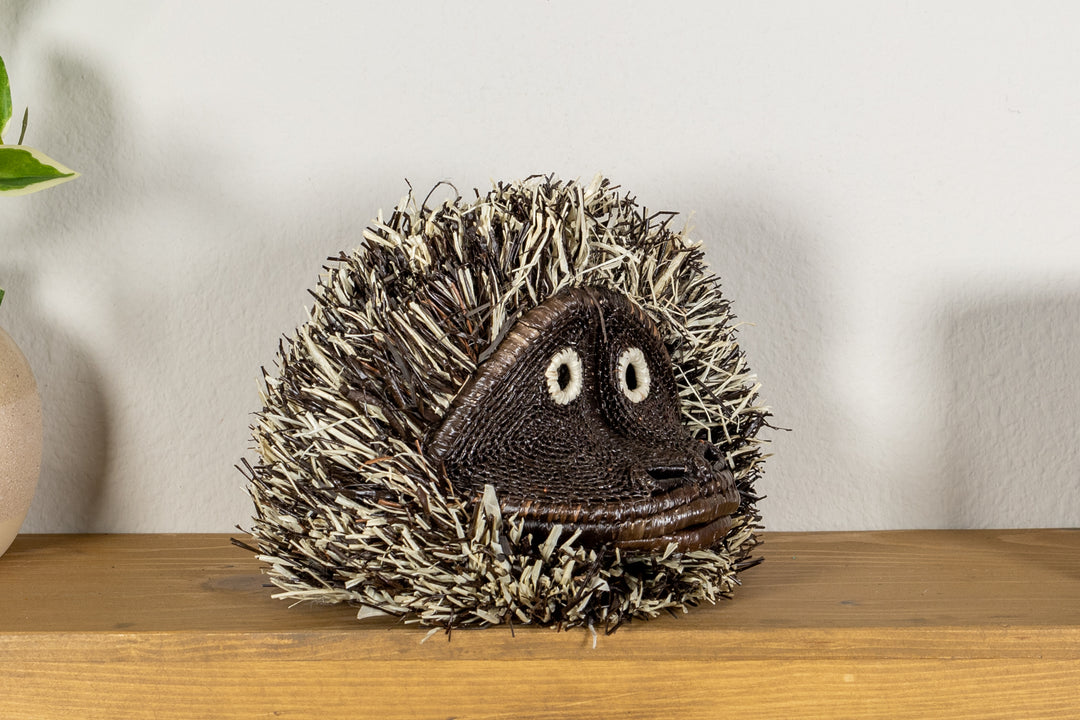
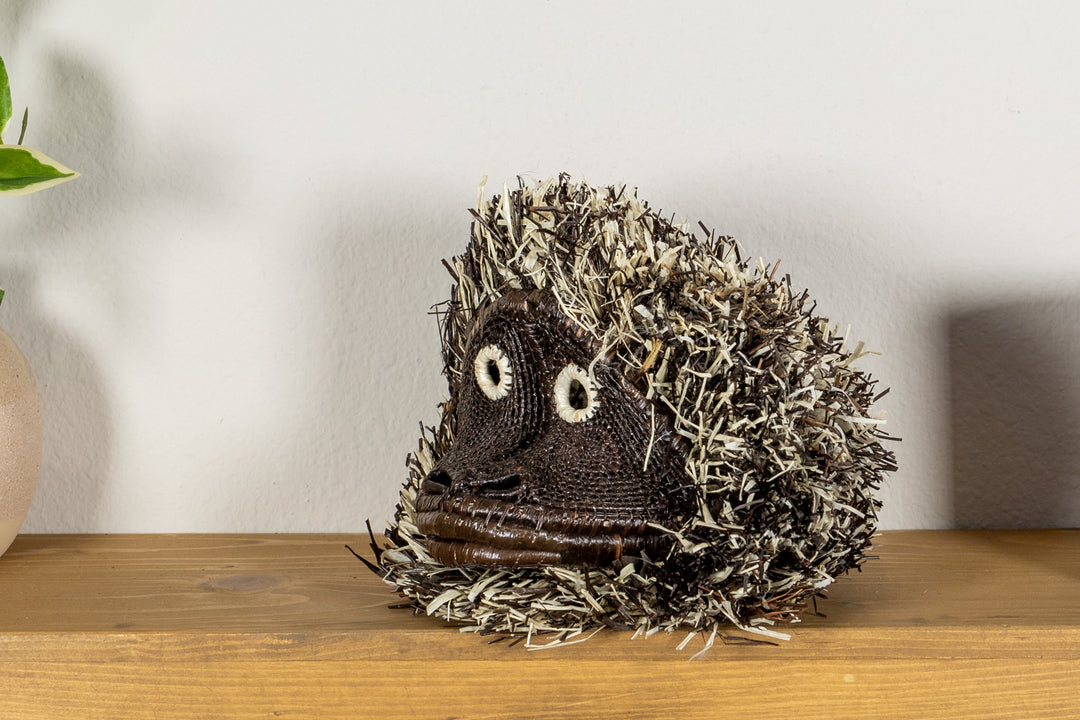
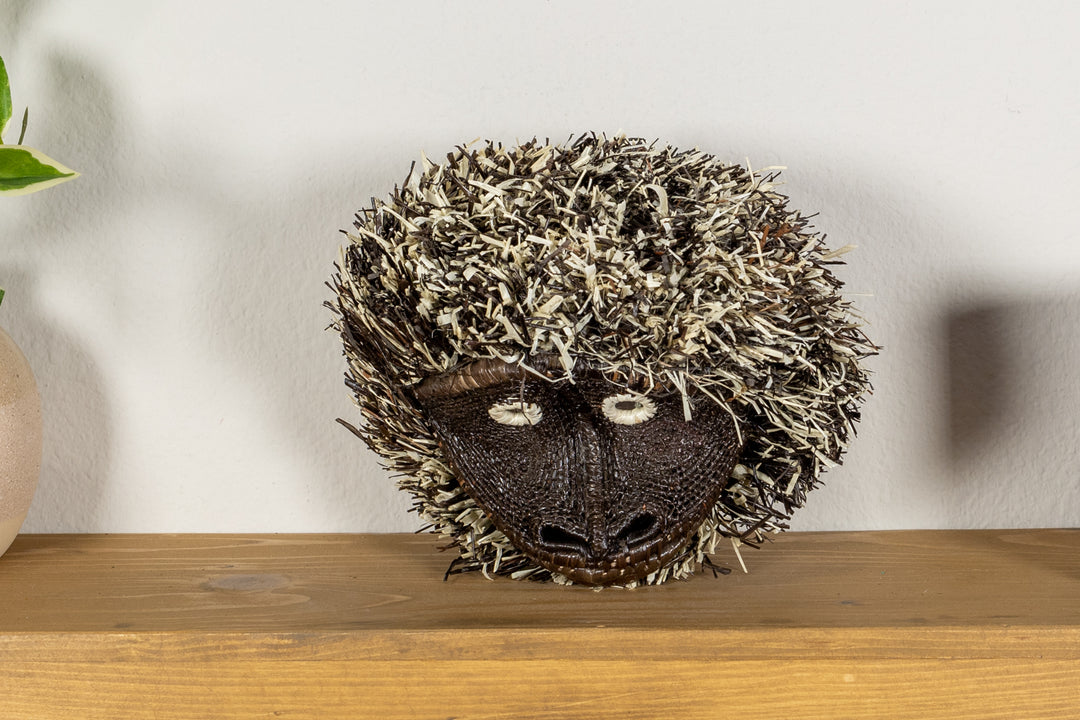
Salt and Pepper tufted capuchin monkey mask, hand woven in Panama
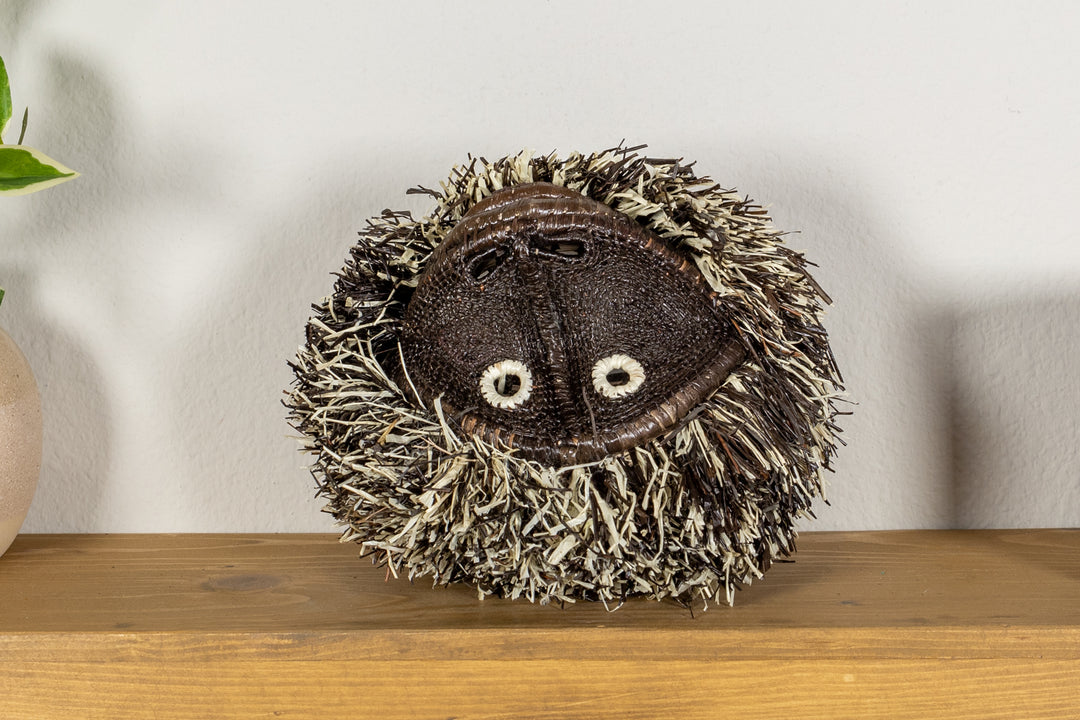
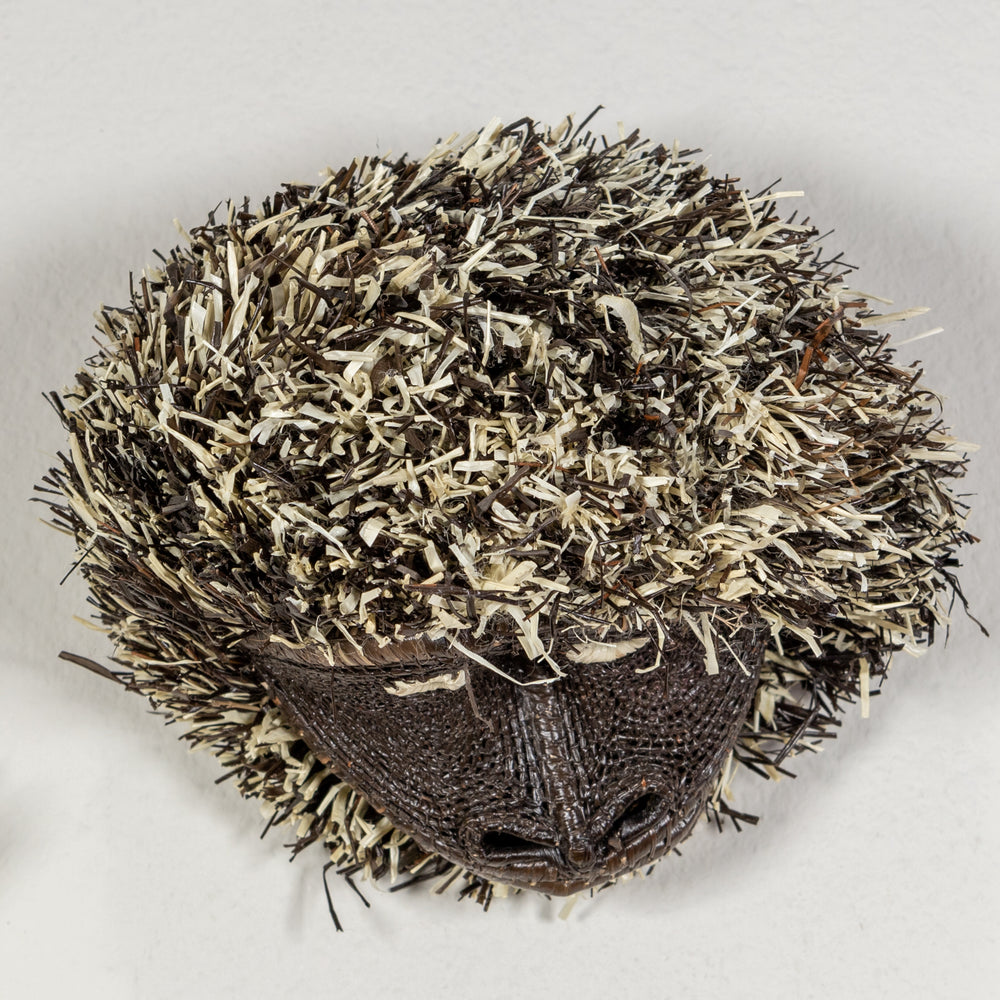
Emberá woven mask, a speckled cream and brown dome around a dark face with ringed eyes, natural dyes
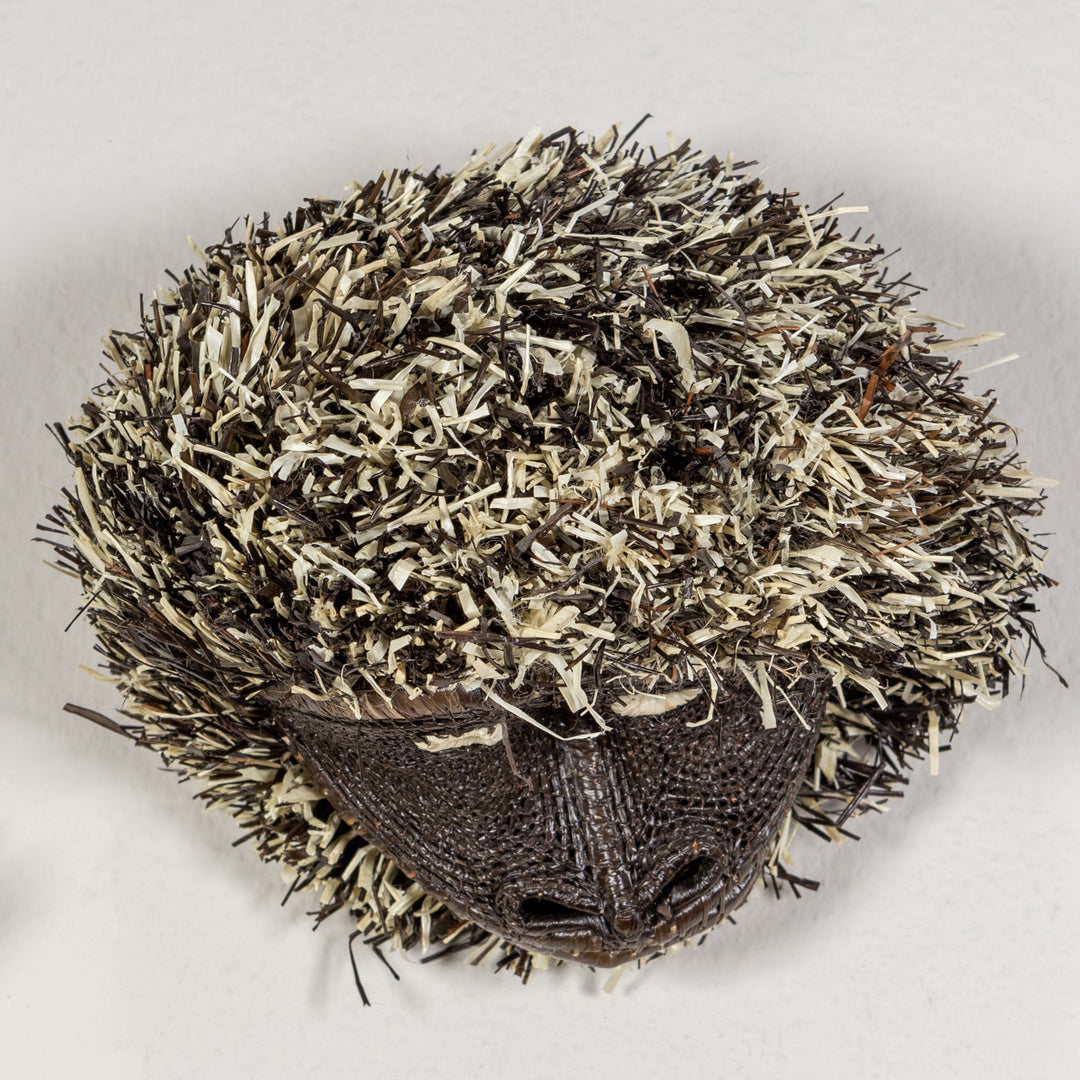
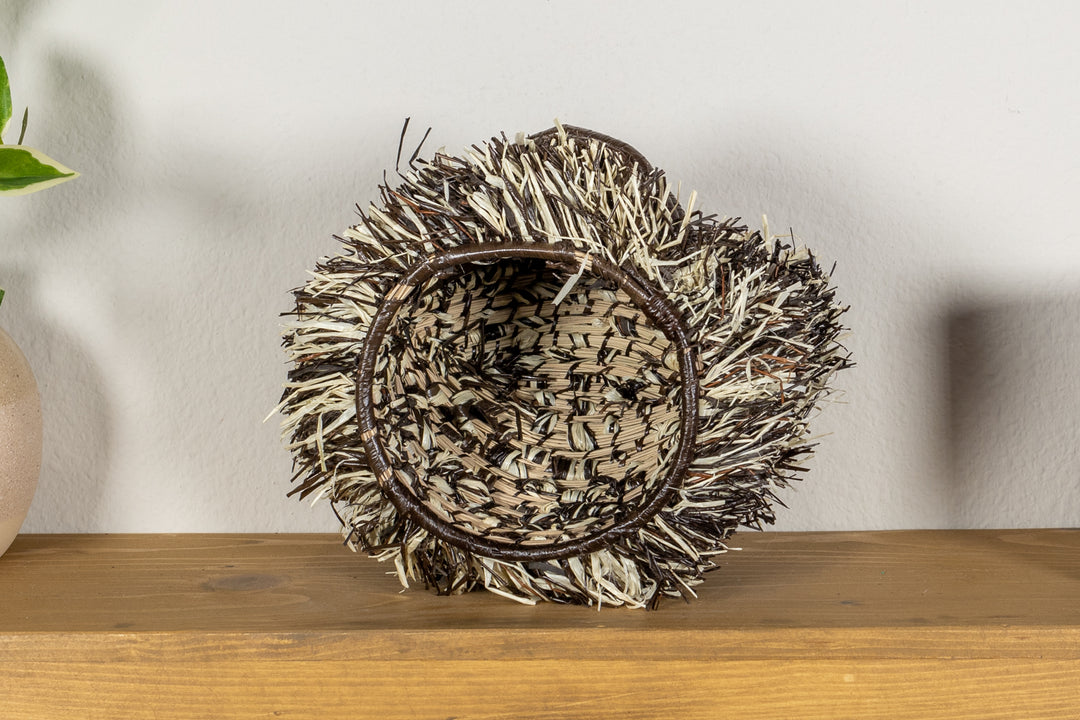
Hand woven mask of chunga palm stitched over naguala fiber
Salt and Pepper tufted capuchin monkey mask, hand woven in Panama
Emberá woven mask, a speckled cream and brown dome around a dark face with ringed eyes, natural dyes
Hand woven mask of chunga palm stitched over naguala fiber
Salt and Pepper tufted capuchin monkey mask, hand woven in Panama
Emberá woven mask, a speckled cream and brown dome around a dark face with ringed eyes, natural dyes
Hand woven mask of chunga palm stitched over naguala fiber
Salt and Pepper tufted capuchin monkey mask, hand woven in Panama
Emberá woven mask, a speckled cream and brown dome around a dark face with ringed eyes, natural dyes

Salt and Pepper Tufted Capuchin Monkey Woven Mask

22081760T

Regular price$79.00
/
Shipping calculated at checkout.
  • Handmade in Panama
  • Fair Trade
  • Width: 7.0"
  • Height: 6.0"

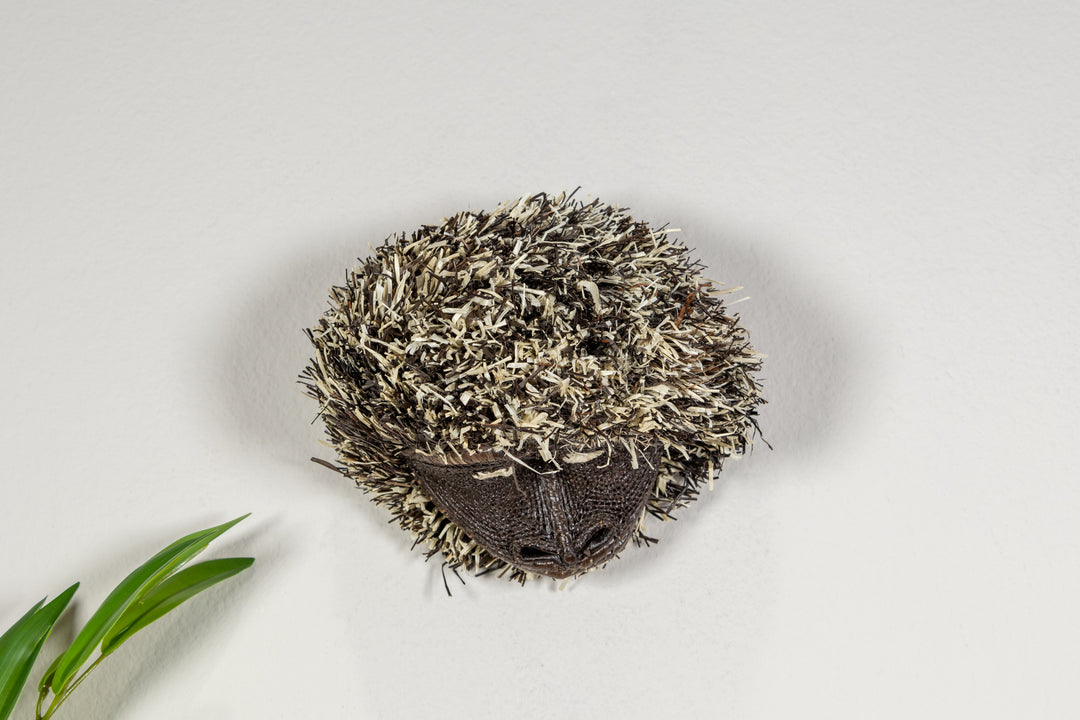
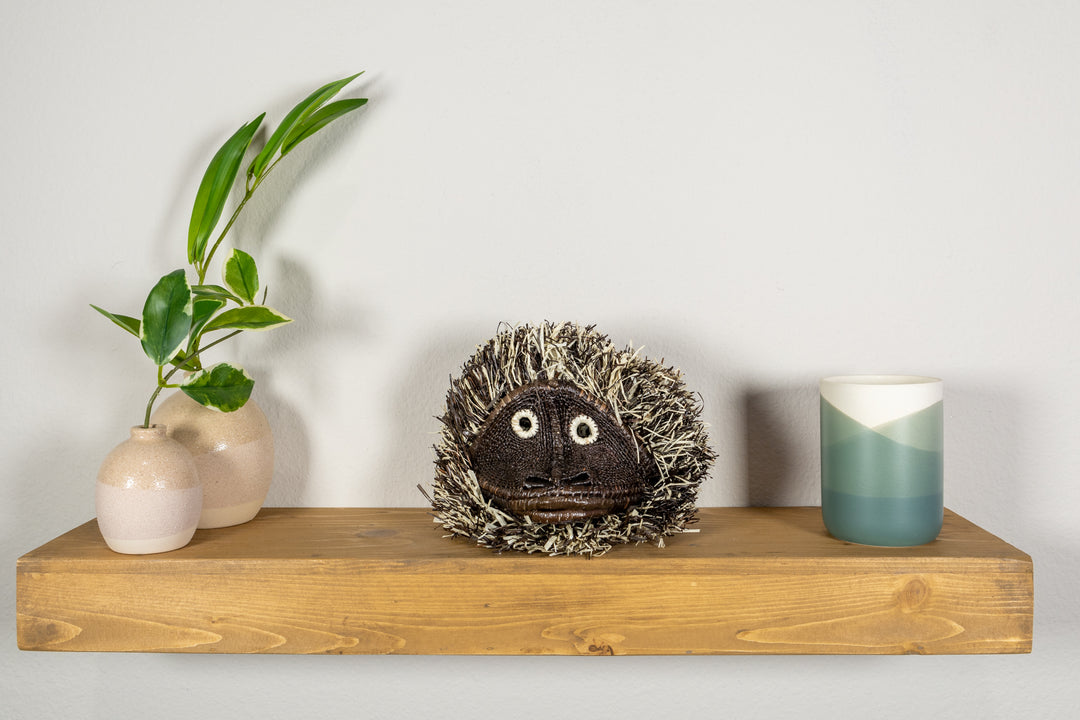
Give your wall a friendly face full of mischief. This Salt and Pepper tufted capuchin monkey mask is hand woven from chunga palm, with a big rounded crown of speckled cream and dark brown fringe, a dark brown face, round cream ringed eyes and a wide rolled mouth with a cheeky grin. Hang it on its own as a bold piece, or group it with two or more masks to bring a little rainforest to your wall.

This mask was woven by an Emberá woman in the Darién rainforest of Panama, a skill handed down from mothers and grandmothers to daughters. Fine strands of chunga palm, colored with natural dyes from rainforest plants and earth, are stitched around a core of naguala fiber. There is no mold, no frame and no paint; every color is woven right in, so each mask is truly one of a kind.

To the Emberá, monkeys stand for the playful life of the forest canopy and for a quick, clever mind. Masks like this one come from an old Emberá tradition, when healers used woven animal masks in ceremonies of healing.

Founded in 1991, TraderBrock celebrates the handcraft of Latin America's indigenous peoples. We work with Guna, Wounaan and Emberá artisans we know by name, and all profits go back into their communities for education, tools and the teaching of ancestral techniques.

Material: Chunga palm and naguala fiber, natural dyes
Woven by: Emberá women
Made in: Panama
Approximate size: 6 inches high by 7 inches wide
Care: Dust with a soft dry brush. Keep away from water and strong direct sun.
SKU: 22081760T

Display away from direct sunlight and skylights. UV exposure can fade the natural dyes over time.

In dry climates, lightly mist the inside of the mask with distilled or non-chlorinated water every few months, then blot any excess with a paper towel. This helps the fibers hold their shape and prevents brittleness.

Dust with a soft, dry cloth or a soft-bristle brush. Do not soak, scrub, or submerge in water. Display on a wall or a stable surface away from heat vents. With reasonable care, a handwoven mask will last a lifetime.

This site is protected by hCaptcha and the hCaptcha Privacy Policy and Terms of Service apply.

WEAVING A MASK

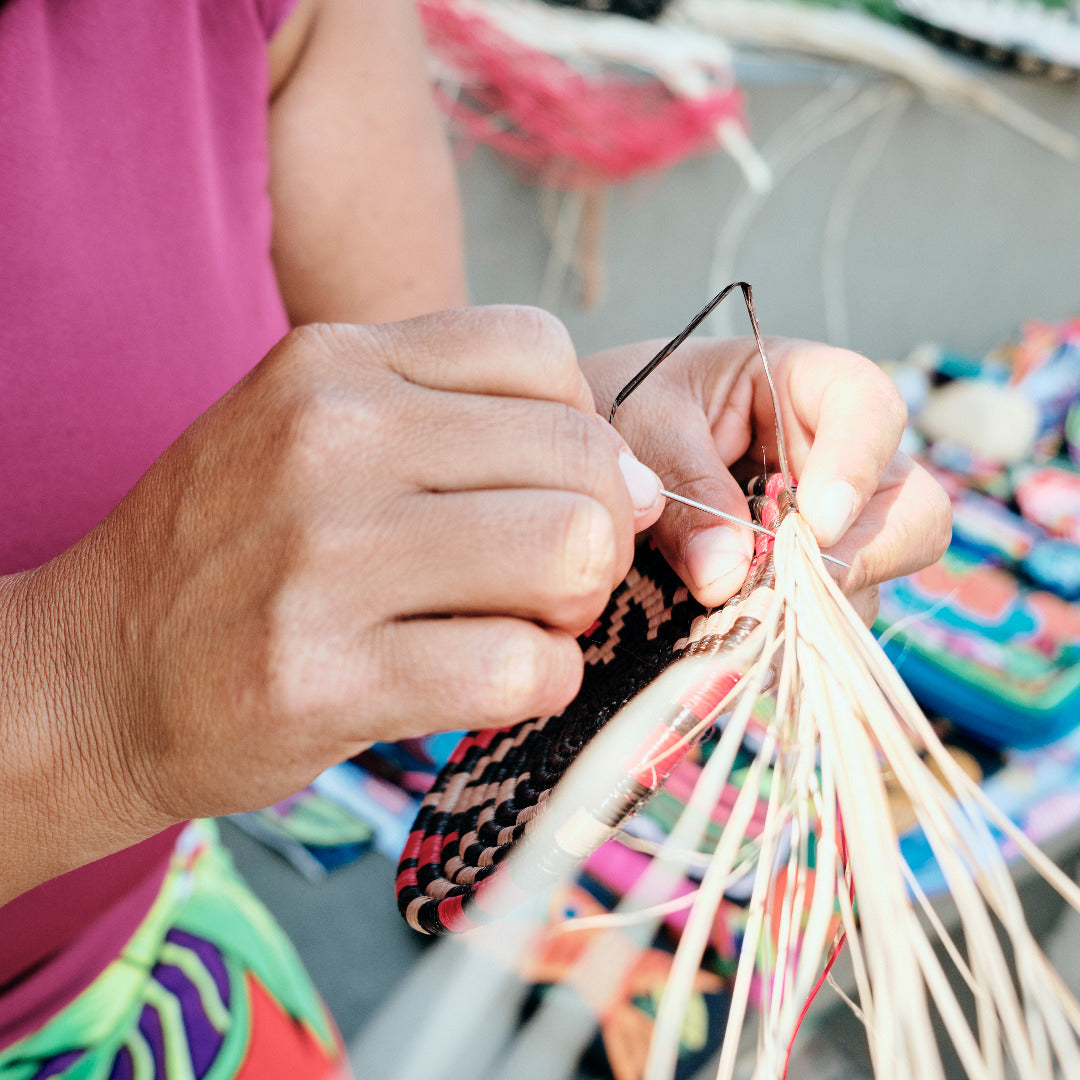
Woven masks begin as a bundle of shredded chunga palm fiber, harvested from the rainforests of eastern Panama and northwestern Colombia. Emberá artisans split the fronds into fine strands, dye them with natural pigments from rainforest plants, and weave each mask entirely by hand. The curve of a beak, the roundness of a crown, the texture of feathers. Every shape is built through the weave itself, not carved or pressed into form. A single mask can take weeks or even months to complete.
THE PROCESS

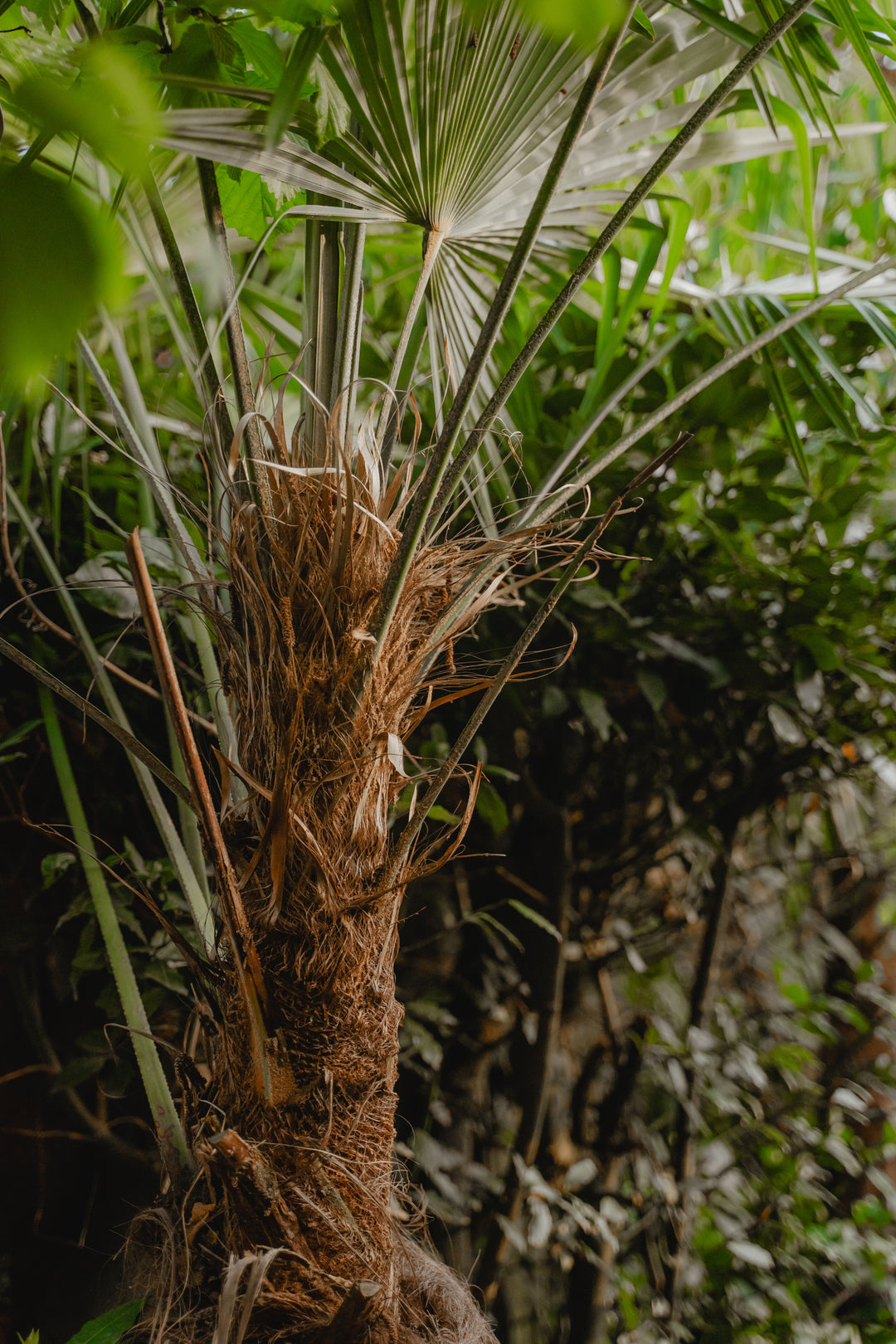
The Chunga Palm

Chunga is a spiny palm that grows wild in the rainforests of Panama and Colombia. Its young fronds are flexible, strong, and perfect for fine weaving.

Natural Harvest

Only the young, unopened fronds are cut. The palm continues to grow, and new fronds replace what was taken. No tree is lost.

Splitting the Fiber

Each frond is stripped by hand into long, fine strands, some as thin as thread. This step alone takes hours and determines how tight the final weave can be.

Natural Color

Colors come from the rainforest itself. Liana vines gathered from the canopy, wild trumpet vine blossoms, and saffron threads for gold. Each fiber is dyed until the color holds fast, with no synthetic pigment added.

Hand Weaving

Each mask is woven one strand at a time, working from a bundle of shredded fiber into a finished form. The beak, crown, and feathered texture are all built through the weave. Depending on the size and complexity, a single mask can take weeks or even months.

Finished Form

Once the weave is complete, the mask is trimmed and shaped. No two are alike. Every mask carries the small differences that reveal the hand of the artisan who made it.

Cultural Meaning

Emberá weavers depict the animals that share their rainforest home. Owls, jaguars, hummingbirds, toucans, frogs, parrots. In Emberá tradition, masks are ceremonial. Shamans place them inside homes to drive out bad spirits, illness, misfortune, and stagnant energy. Today they live on as living art: handwoven sculptures that carry the story of a species, a spirit, and the hand of one weaver working in the forest where the fibers grew.

Fair Trade

Made in Panama

Hand-woven by Emberá artisans in the Darién rainforest. Every mask supports the weavers, preserves a centuries-old tradition, and protects the forest where the fibers are grown.
You may also like


Recently viewed