
Barter and Credit: Half a Checkbook and a Village Full of Baskets in the Darién

"Darién, Una Promesa," artwork by Chafil Cheucarama. Courtesy of CZ Images / William P. McLaughlin
In the early days of buying Panamanian art, one of my most fascinating experiences happened in a small village deep in the Darién rainforest. Jeanne Cook, a missionary who knew the area well, arranged the visit. Her packing list surprised me. Along with money, she told me to bring panties, bras, powdered milk, bug spray, and a few other everyday items.

Illustration: a dugout canoe heading upriver in the Darién.
A Language Lesson Under the Trees
Once we were set up, the artists gathered with their baskets, along with what seemed like every child and dog in the village. I explained in Spanish how things would work. Each woman would show me her baskets, I would make an offer, and then I would suggest some of the goods I had brought along.

Explaining the plan, with plenty of children looking on.
Jeanne stopped me. My instructions, she said, needed to be translated into the local language. A man from the village stepped up to help, and as the smiles spread across the crowd, I realized most of these women had not understood a word of my Spanish.

A weaver at work, surrounded by bundles of palm fiber.
Why Trade Goods Mattered More Than Cash

Most of the women chose a mix of goods and some cash. It made sense. The village was a long way from the city, and the things I carried were hard to find out there. A bottle of bug spray or a can of powdered milk meant a trip they did not have to make.

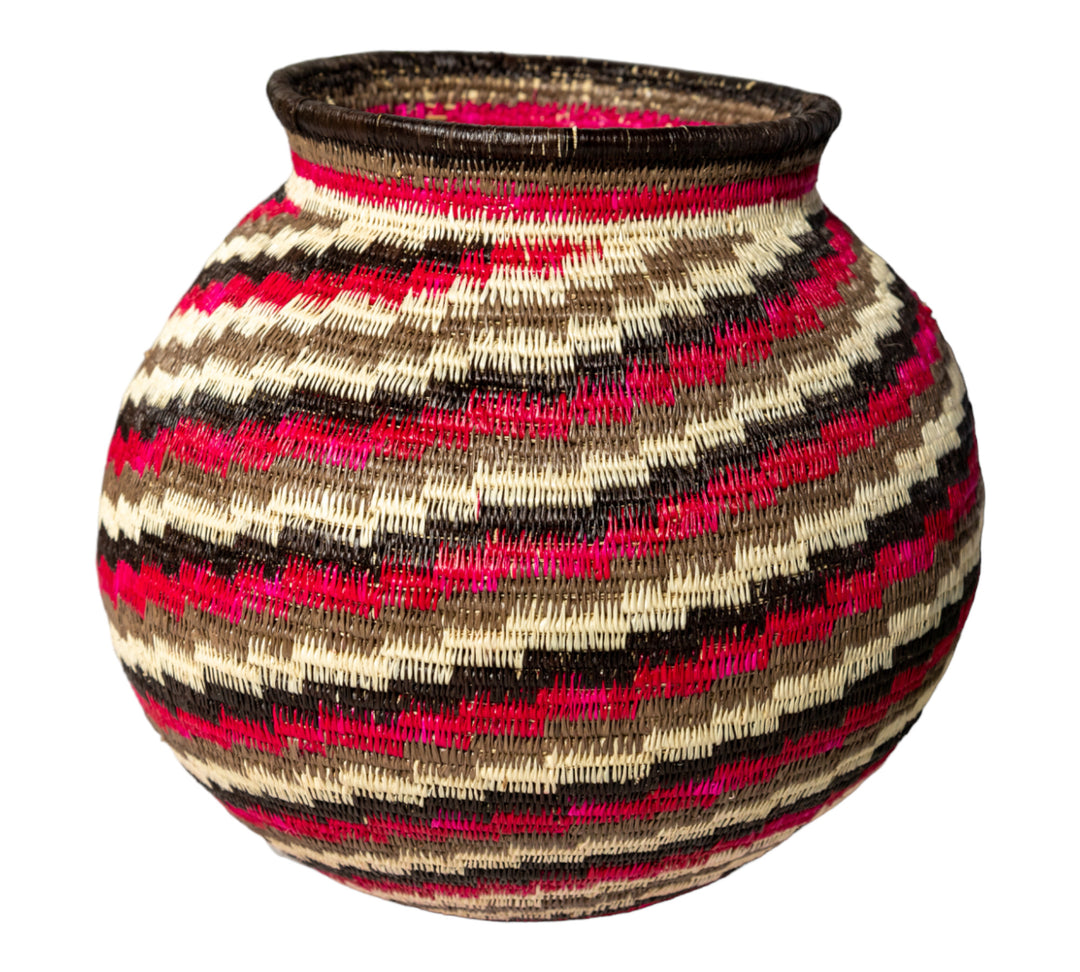
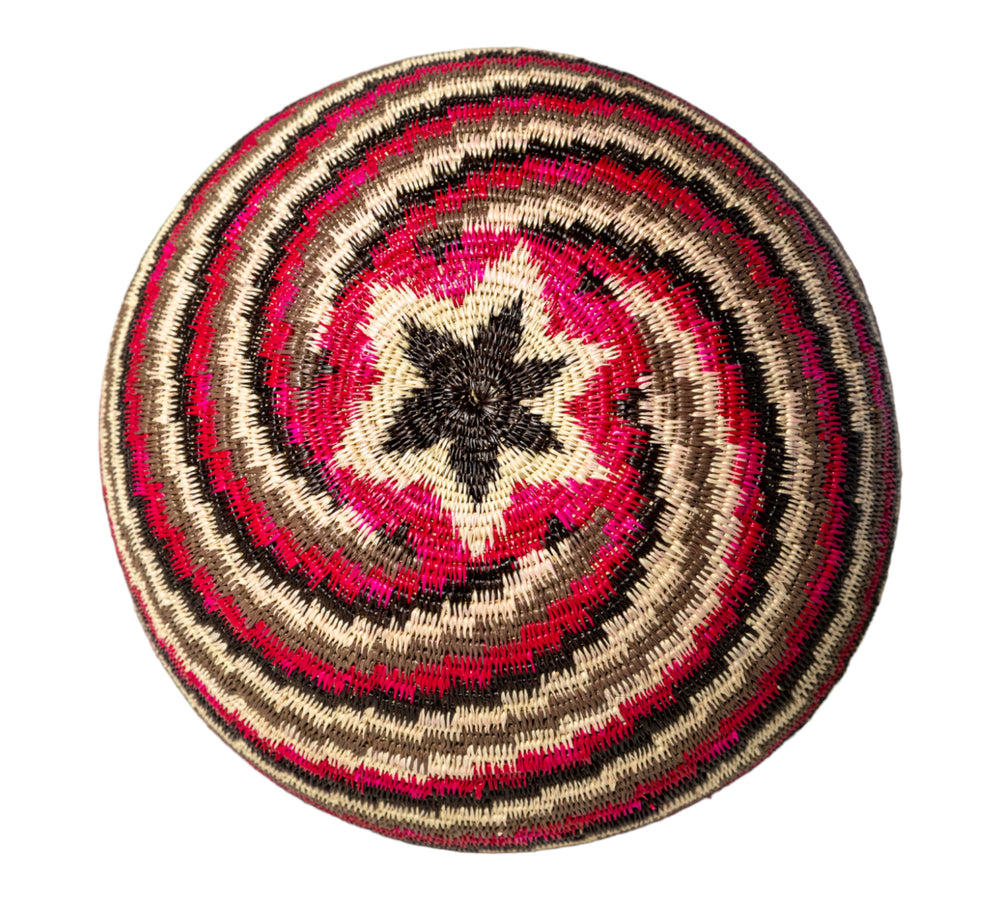
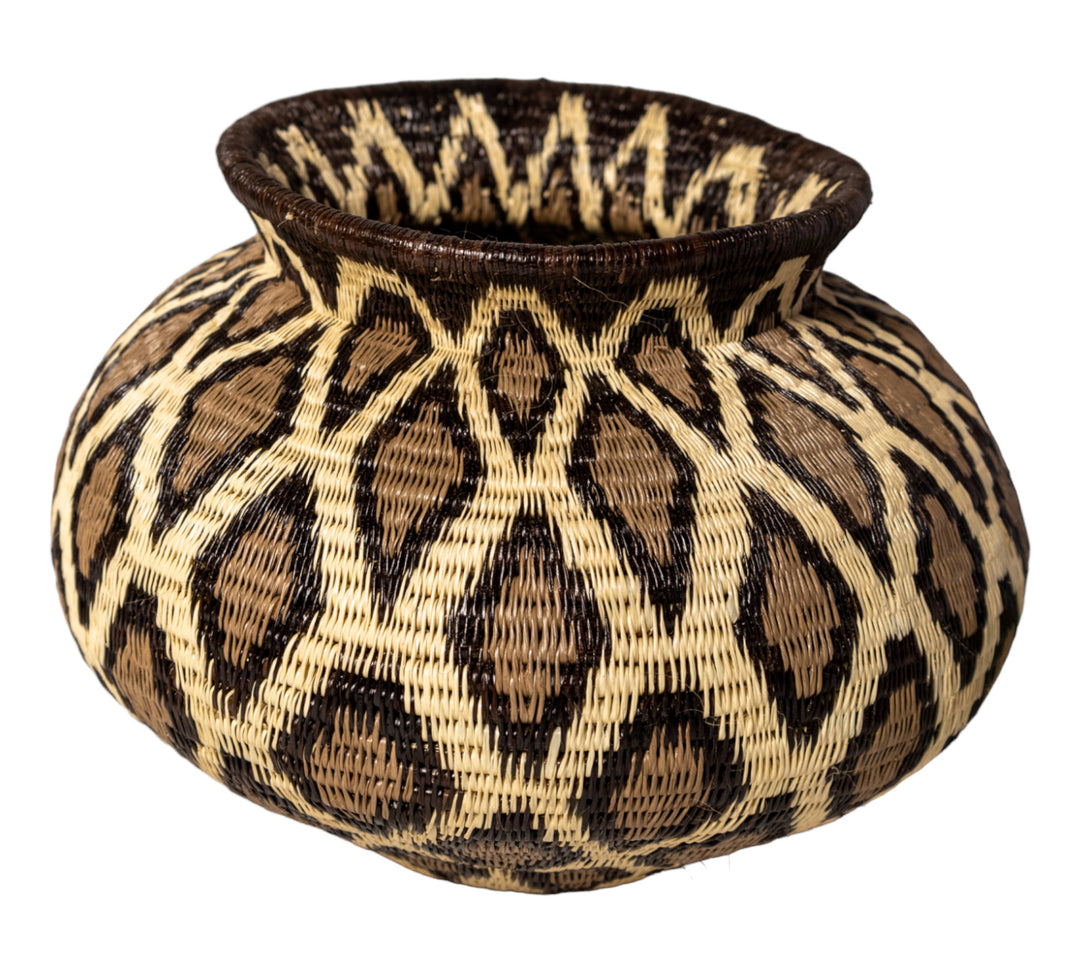
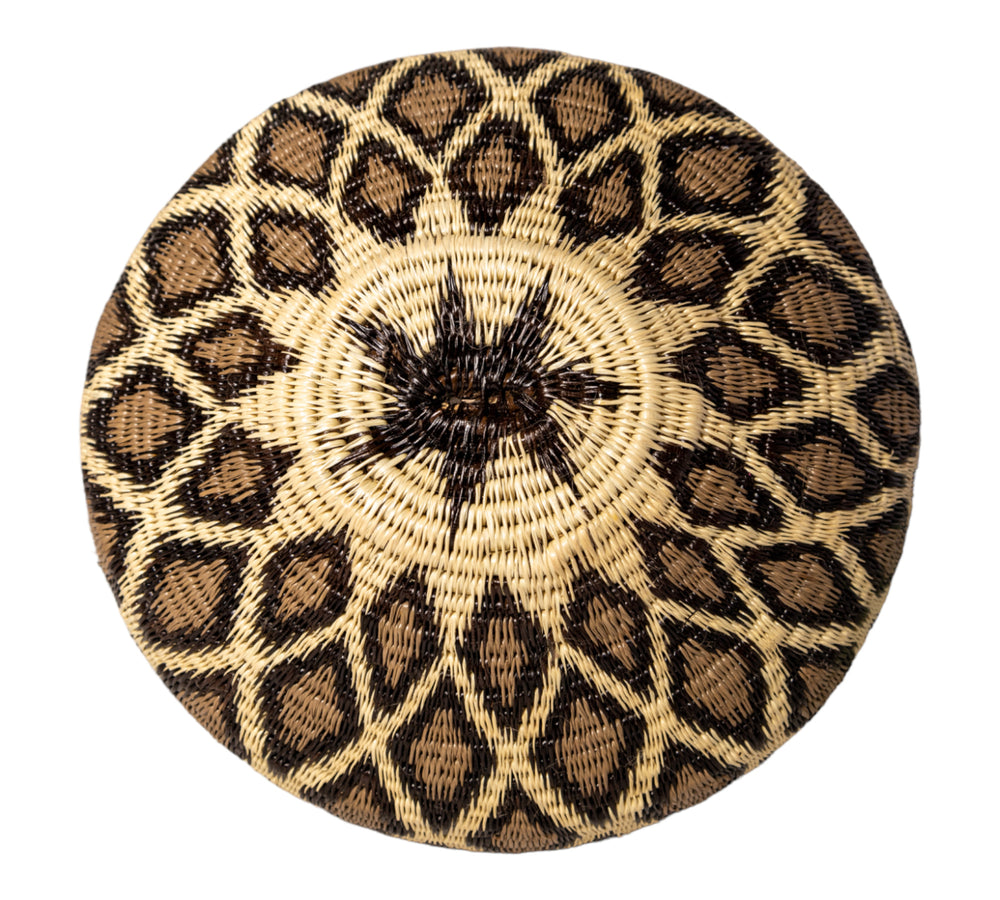
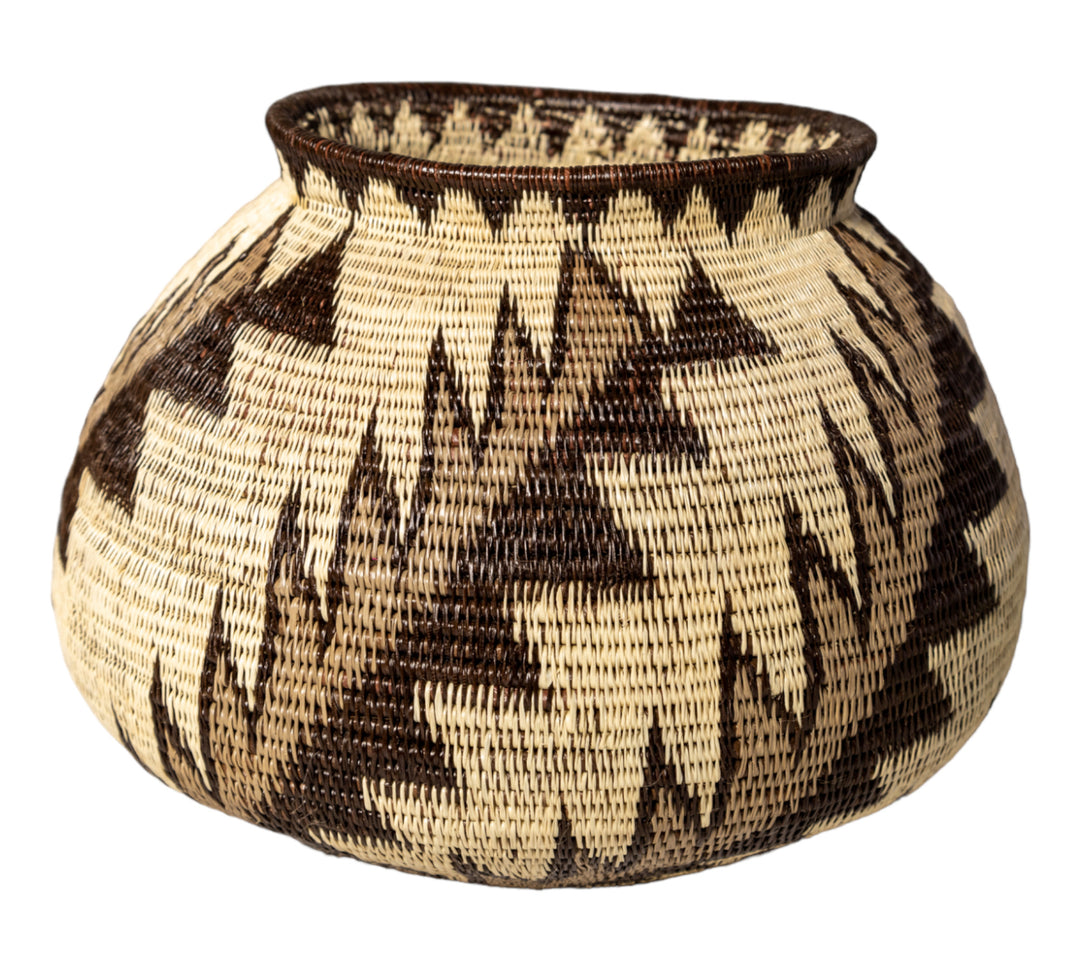
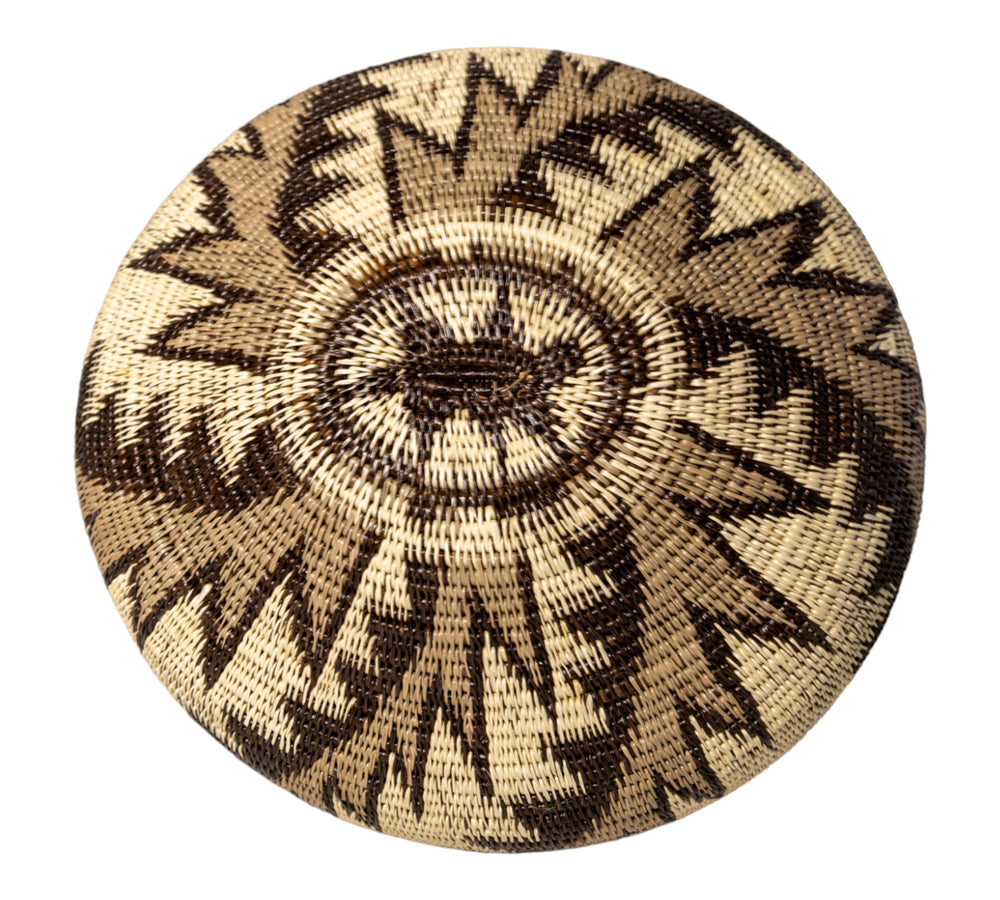
Baskets from the village that day.
Everything went well until I ran out of money and panties. Many of the women had not yet had their chance to sell. It did not matter that their neighbors were happy. They were disappointed, and I could see it. Then an idea came to me.
Half a Check and a Handshake

Illustration: a village store along the river, much like Felix's.
I had a checkbook in my bag. I walked up to the local store, which sold mostly food, and met with the owner, Felix. I asked him a question. If I gave each artist half of a check with her name, my name, and an amount written in both numbers and words, would he honor it and let her shop? I would leave the baskets with him as collateral. The next time he came to the city, we would meet, I would pay him for all the half checks, and he would hand over the baskets.
To my surprise, he said yes.

Inside the village store.
So it was back to the village to play the new game. I explained the rules. The women looked at Jeanne, and she told them they could trust me. I ran out of checks with the very last artist in line.

Shopping at the store with their half checks.
A Pickup Truck Full of Baskets

A week later, Felix called. He was in Balboa. We met, and he had a pickup truck full of baskets. I had a pocket full of money.

The pickup truck and its load of baskets.
God really does work in mysterious ways.
What That Day Taught Us
That trip happened a long time ago, and it still shapes how TraderBrock works. Trust ran in every direction that day. The artists trusted Jeanne, Jeanne vouched for me, and Felix took a chance on a stranger with a checkbook. Relationships like those are why we have been able to work directly with artisan families in Panama since 1991.
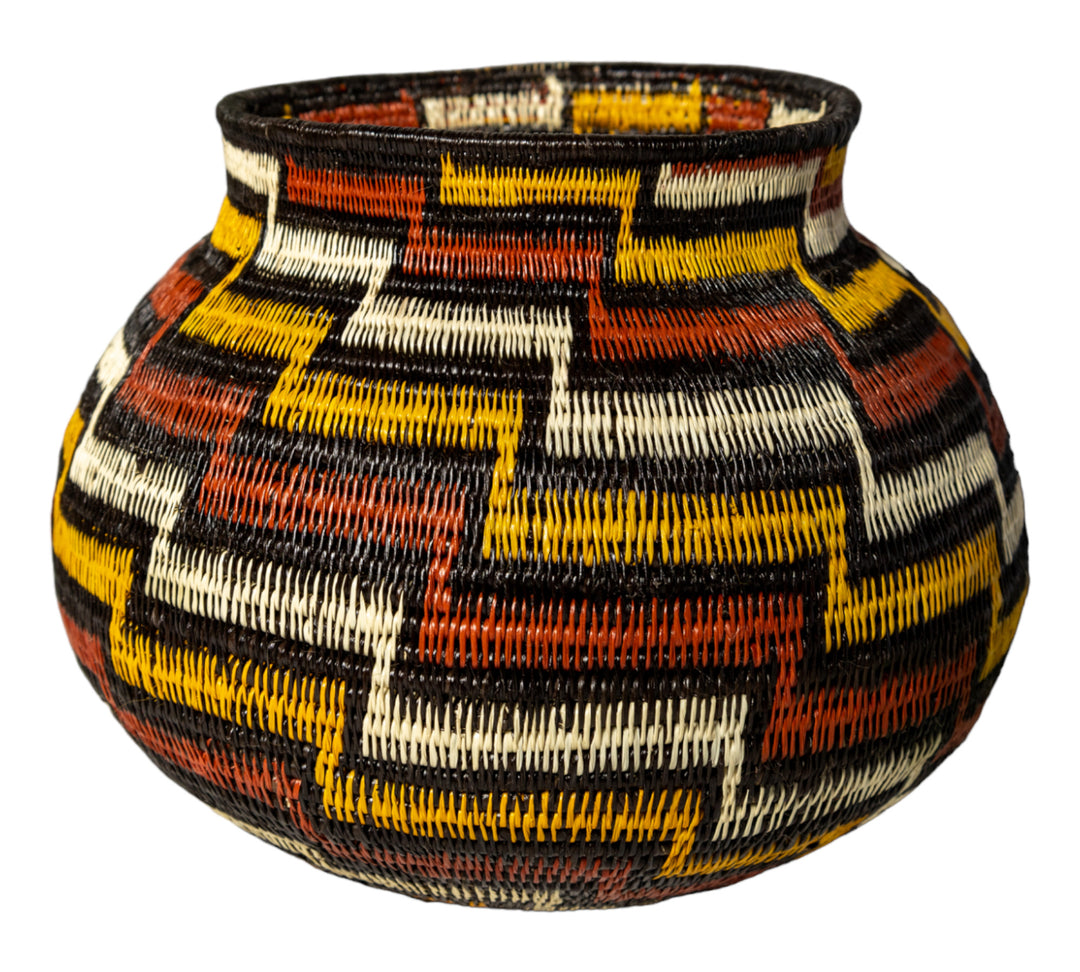
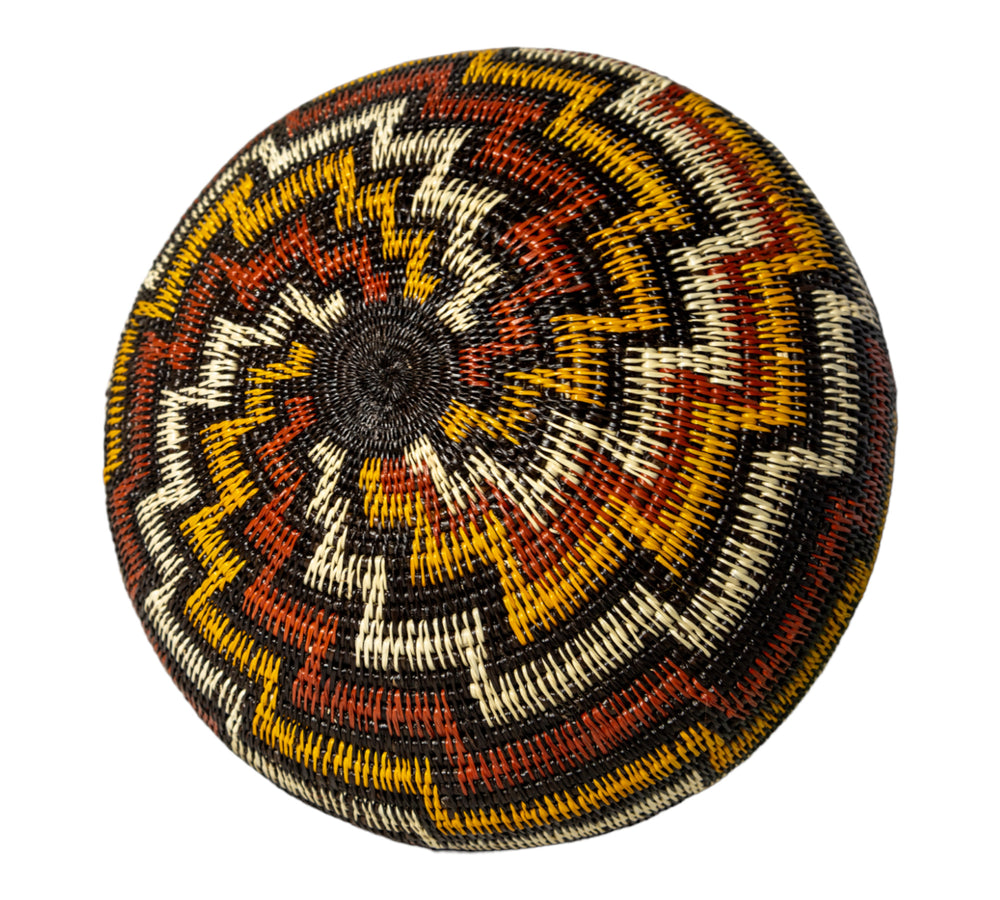
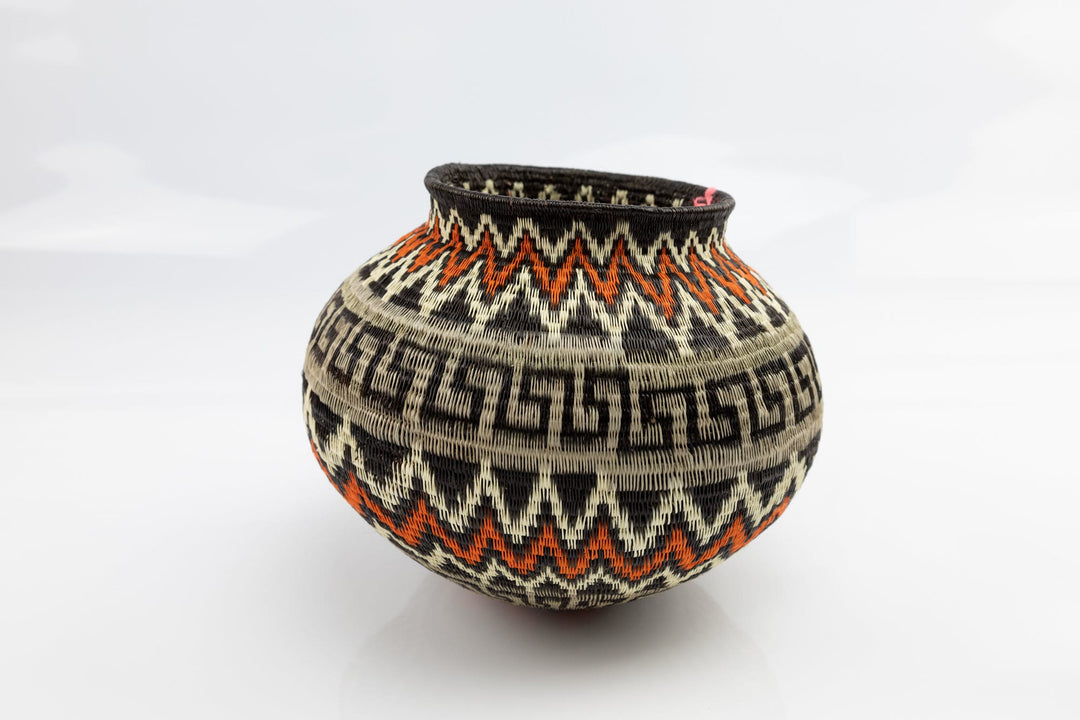
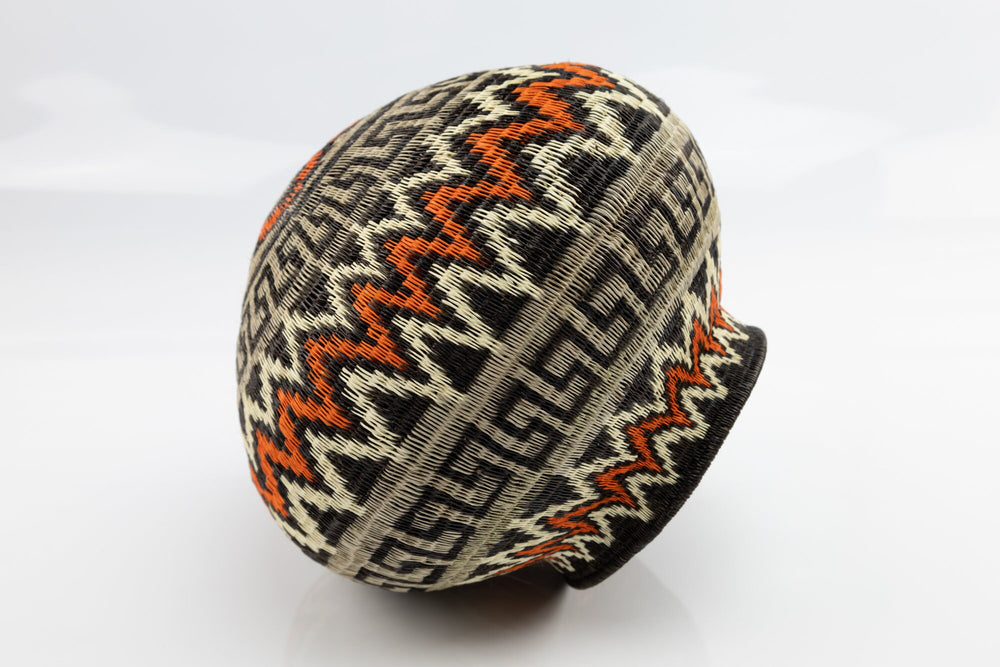
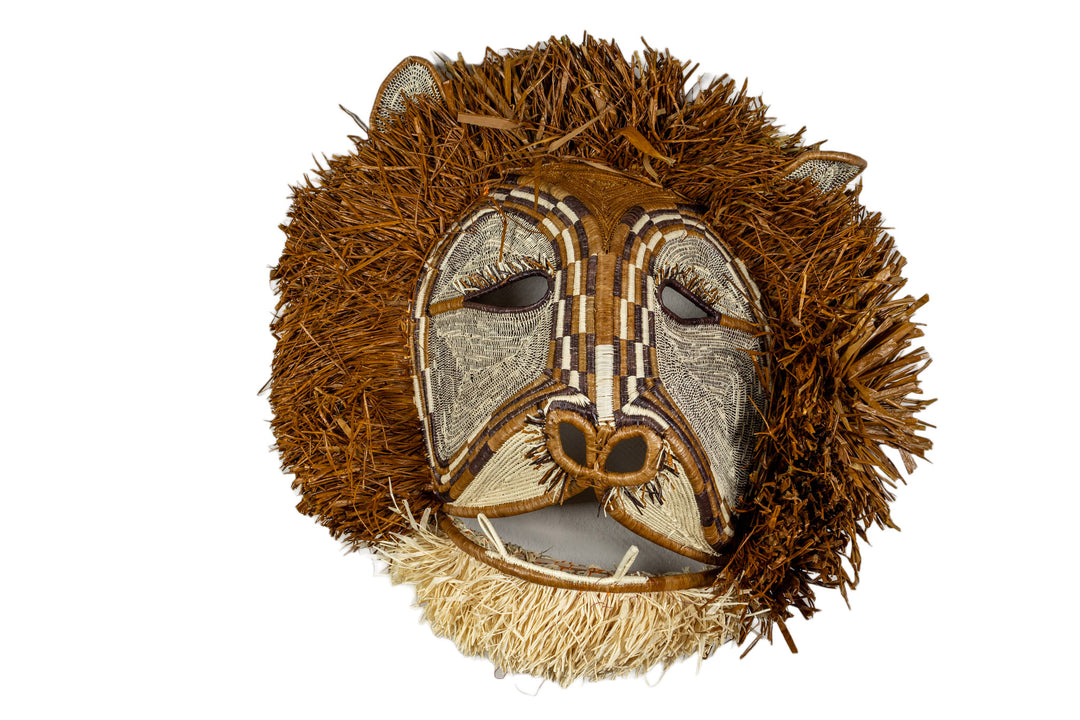
Baskets from villages like this one are woven by Wounaan and Emberá women from palm fiber, and a single piece can take weeks or even months to finish. You can learn more about them in The Basket Story, or browse our hand woven baskets.
FAQs
Where is the Darién?
The Darién is Panama's easternmost province, bordering Colombia. Much of it is dense rainforest, and it is home to Emberá and Wounaan communities known for their basket weaving.
Why did the artists want goods along with cash?
The village was far from any city. Everyday items like clothing, powdered milk, and bug spray were hard to get, so trading for them saved the women a long and costly trip.
How did the half checks work?
Each artist received half of a check made out with her name and an amount. Felix let her shop at his store against it and held the baskets as collateral. When he came to Balboa, I paid him in full and collected the baskets.





Leave a comment