
Panama Independence: How Five November Days Shaped a Nation's Art
Panama observes five separate independence holidays in November: November 3 (separation from Colombia, 1903), November 4 (Flag Day), November 5 (Colón Day), November 10 (the First Cry of Independence from Spain, 1821), and November 28 (independence from Spain, 1821). The whole month is called el Mes de la Patria. Two different independences, a century apart, and both of them left marks on Panamanian art.

The Five November Dates at a Glance
| Date | What it marks | Year | Why it matters to art |
|---|---|---|---|
| November 3 | Separation from Colombia | 1903 | Birth of the modern nation and the Canal bargain that shaped a century of Panamanian identity |
| November 4 | Flag Day | 1903 era | The flag becomes a recurring symbol in painting, craft, and parade design |
| November 5 | Colón Day | 1903 | Recognition of the Caribbean coast and its Afro-Antillean cultural contribution |
| November 10 | First Cry of Independence from Spain | 1821 | Origin of the interior provinces' folk pride, polleras, and festival imagery |
| November 28 | Independence from Spain | 1821 | End of Spanish colonial rule and the start of Panama's long search for self-definition |
Why Does Panama Have Five Independence Days?
Because Panama became independent twice. In 1821 the isthmus broke from Spain, then joined Simón Bolívar's Gran Colombia. In 1903 it separated from Colombia and became a country in its own right. Both stories get their own holidays, and the associated commemorations fill the calendar in between.
For a visitor, November in Panama means parades most weeks, school bands practicing for weeks beforehand, and a national mood somewhere between patriotic and festive. For a collector, it is the single best window into where Panamanian visual culture comes from.
Before the Republic: The Thousand Days' War (1899 to 1902)
The separation of 1903 grew out of a war. From 1899 to 1902, Colombia's Liberal and Conservative parties fought a civil war known as the Thousand Days' War, and by its final stage much of the fighting had moved to the isthmus. Panama saw battles on land from Aguadulce to the edge of Panama City, and even a naval battle in the bay, where the Liberal gunboat Almirante Padilla sank the government steamer Lautaro on January 20, 1902.

The war's most famous Panamanian fighter was Victoriano Lorenzo, a leader from the mountains of Coclé who commanded indigenous troops for the Liberals. When the Liberal generals made peace, Lorenzo refused to lay down his arms. He was captured and executed in Panama City on May 15, 1903, less than six months before the separation. Panama abolished the death penalty in its first constitution, and his execution is believed to be the last ever carried out on the isthmus. Today he is honored as a national hero, especially in the indigenous and campesino communities of the interior.

The war officially ended on November 21, 1902, when the two sides signed a peace treaty aboard the American battleship USS Wisconsin, anchored off Panama City. Colombia came out of the war exhausted, and less than a year later Panama's separatists made their move.

November 3: Separation from Colombia (1903)
The most significant date on the calendar. Panama declared its independence from Colombia, ending decades of political frustration. The separation was tied directly to the Canal: the United States backed Panamanian independence in exchange for canal-building rights, a bargain that would define the country's politics and identity for the next hundred years.
The separation itself was nearly bloodless. On the evening of November 3, the separatists took the Colombian army and navy commanders in Panama City into custody, and the American consul cabled Washington that night that there had been no bloodshed. In Colón, several hundred Colombian soldiers had just landed, but the American-owned railroad refused to carry them across to Panama City, and the gunboat USS Nashville stood by to keep it that way. Within days they sailed for Cartagena.


Manuel Amador Guerrero, a physician who had helped lead the separatist movement, became the republic's first president in February 1904.

American newspapers followed every move, and their cartoonists had a field day. They drew Philippe Bunau-Varilla, the French engineer with a stake in the old French canal company, hatching the new republic like a chick, and Theodore Roosevelt as a heavily armed giant waving off a tiny Colombia.


November 4: Flag Day
The day after independence, Panama honors its flag. The design, quartered in white, blue, and red with two stars, is attributed to the family of Manuel Amador Guerrero and was sewn in secret before the separation. Flag Day brings parades, school ceremonies, and flags on every balcony in the country.

November 5: Colón Day
This day commemorates the consolidation of independence in the city of Colón on the Caribbean coast. Colón's role in the independence movement is often underrecognized, and the holiday honors the Atlantic-side communities that helped secure the new nation.
November 10: First Cry of Independence from Spain (1821)
Before Colombia, before the Canal, there was Spain. On this date in 1821 the town of La Villa de Los Santos became the first community on the isthmus to declare independence from Spanish rule. The event is known as the Primer Grito de Independencia, the First Cry, and it set off the chain reaction that ended with Panama joining Gran Colombia.

November 28: Independence from Spain (1821)
The formal date, when Panama City and the rest of the isthmus officially broke from Spanish colonial rule. It closed out more than three centuries of Spanish control.

How Did Independence Shape Panamanian Art?
Panama's layered independence history produced a national identity built around resilience, cultural pride, and a permanent tension between outside influence and self-determination. Those themes surface everywhere in the country's art.
Indigenous art as its own declaration
For Panama's indigenous communities, including the Guna, Emberá, Wounaan, and Ngäbe-Buglé, keeping traditional art forms alive is itself an act of cultural independence. The Guna fought for and won autonomy over the San Blas Islands, now Guna Yala, in 1925, roughly two decades after national independence. You can read more in the Guna story.
Molas carry that history directly. The art form moved from designs on the body to layered fabric over the past century, and it functions today as both artistic expression and identity marker. Every panel in our mola collection sits inside that lineage.

Canal Zone art and the long handover
The Canal Zone, the American-controlled strip that bisected Panama for most of the twentieth century, created a cultural space unlike anywhere else in the hemisphere. Painters documented life in the Zone, the scale of the engineering, and the daily collision between American and Panamanian ways of living.
When Panama took full sovereignty over the Canal on December 31, 1999, it closed a century-long independence movement that had started on November 3, 1903. Art made in response to the handover carries a national pride that is hard to miss. We trace that whole current in Panama's painting traditions from the Darién to the Canal.
Festival and parade art
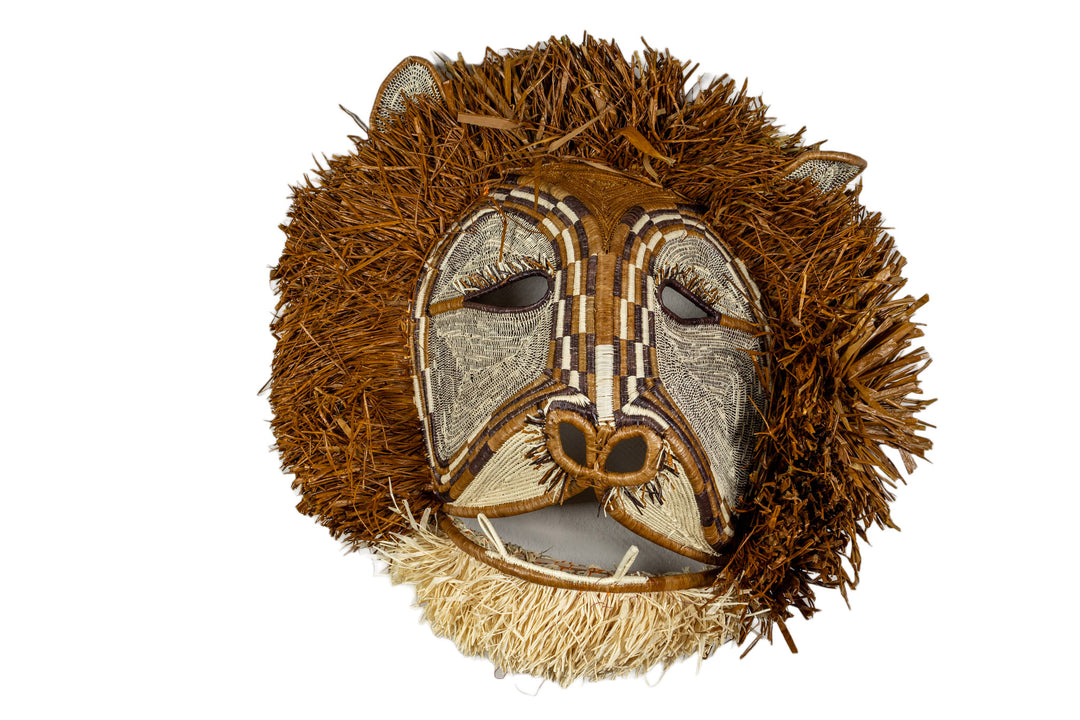
November's celebrations run on visual culture: embroidered pollera dresses, painted devil masks, marching bands, decorated floats, and folk dancers from every province. That imagery flows straight into Panamanian painting and craft, which is why so many canvases you see in Panama City are essentially parade scenes.

The masks are objects in their own right, made to be worn and then kept. Our mask collection holds pieces in that tradition.

National symbols in contemporary work
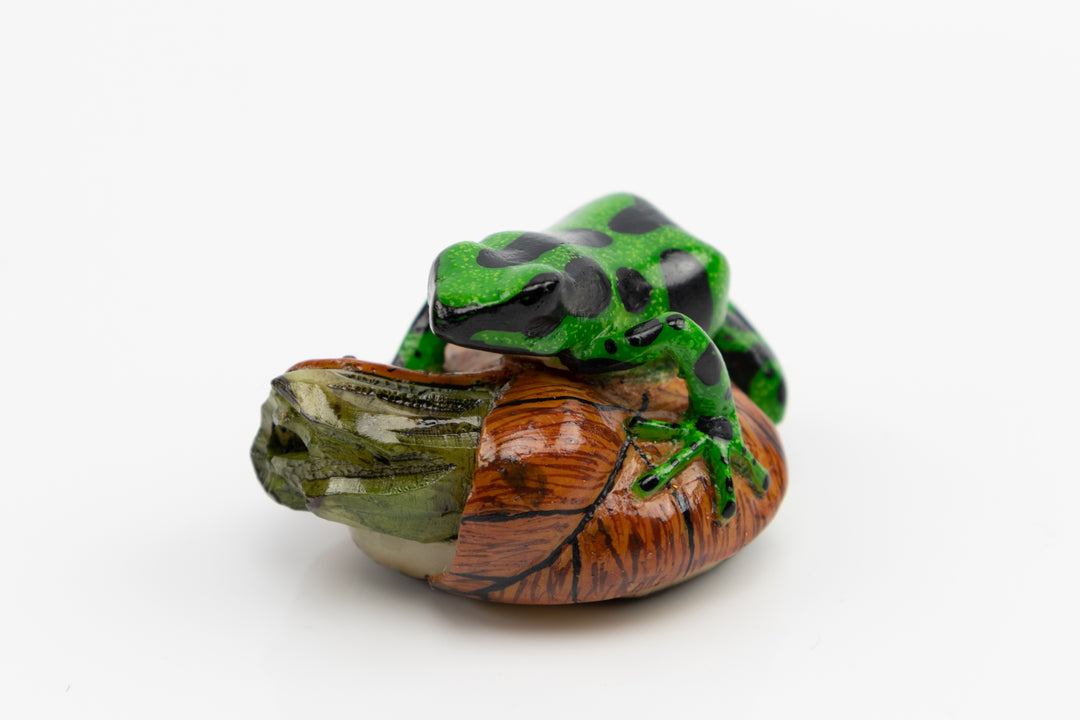
Modern Panamanian painters return again and again to the flag, the Canal, the harpy eagle, and the golden frog. These symbols carry more weight in a country that spent centuries under Spain, then Colombia, then the shadow of the United States, before fully claiming its own name.

November Through a Collector's Eyes
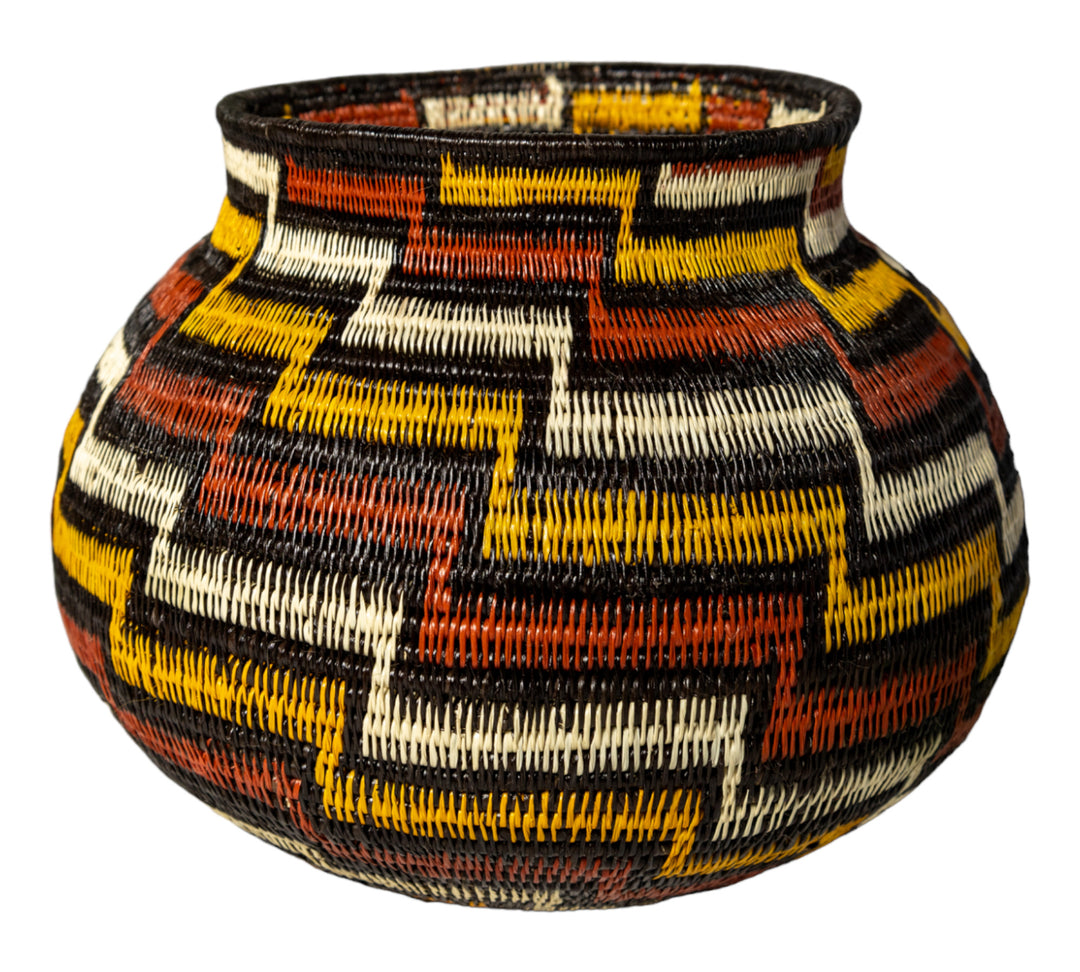
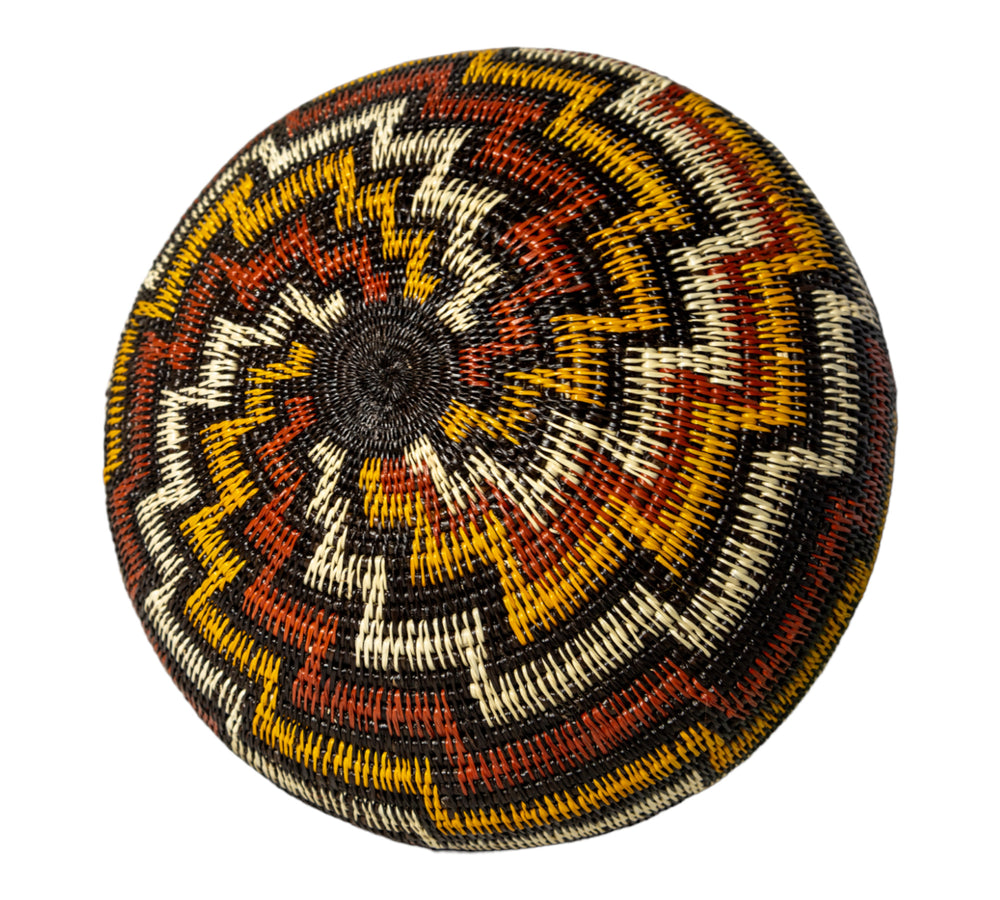
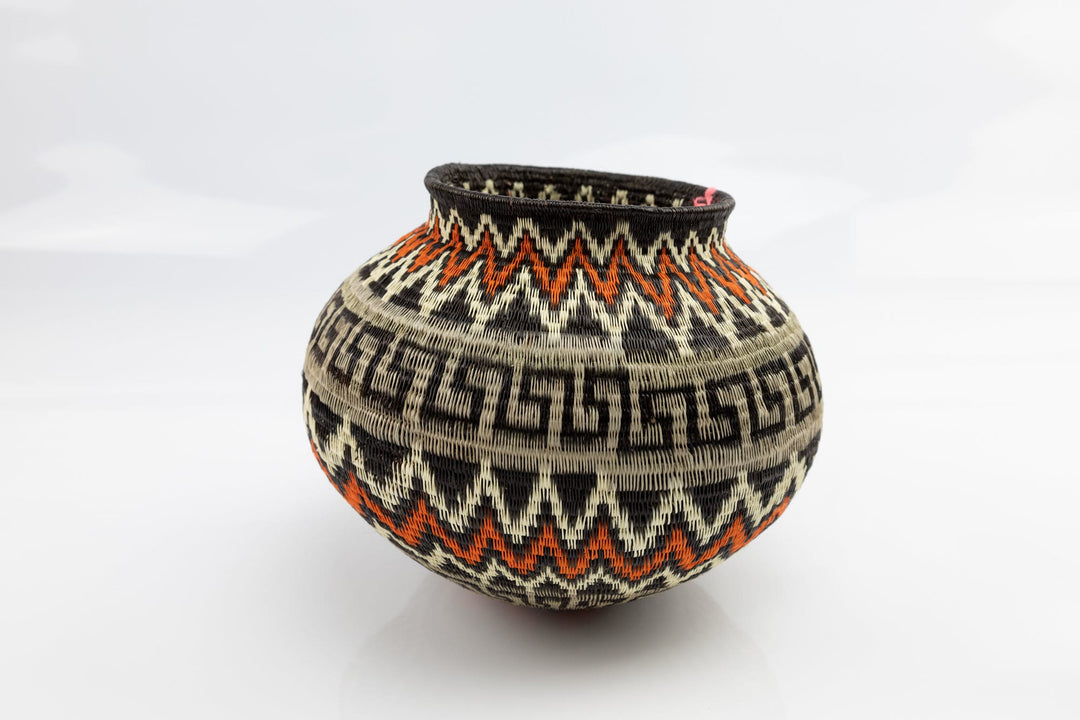
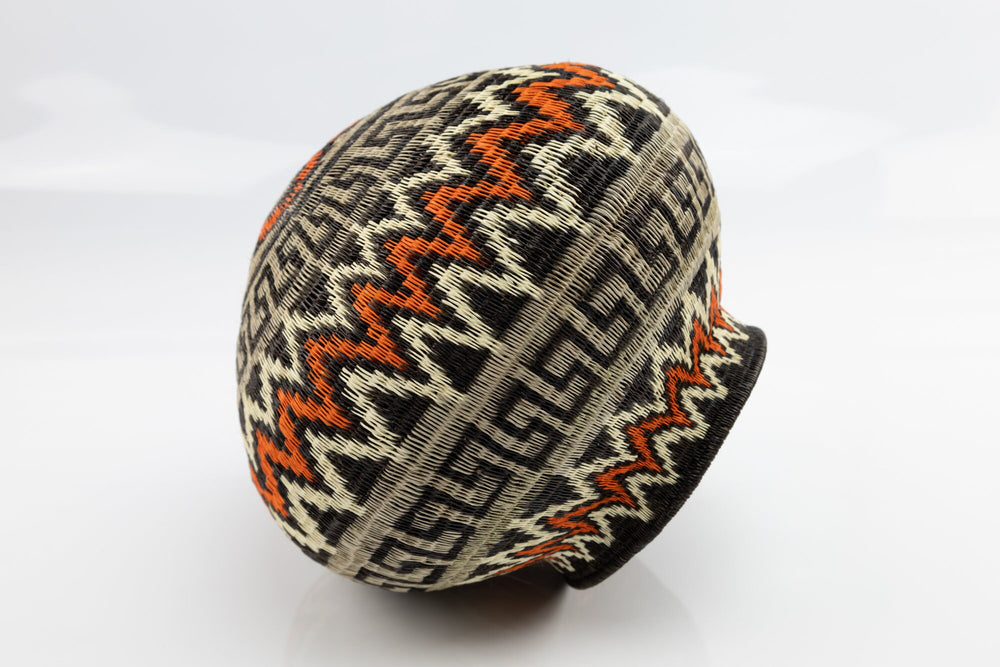
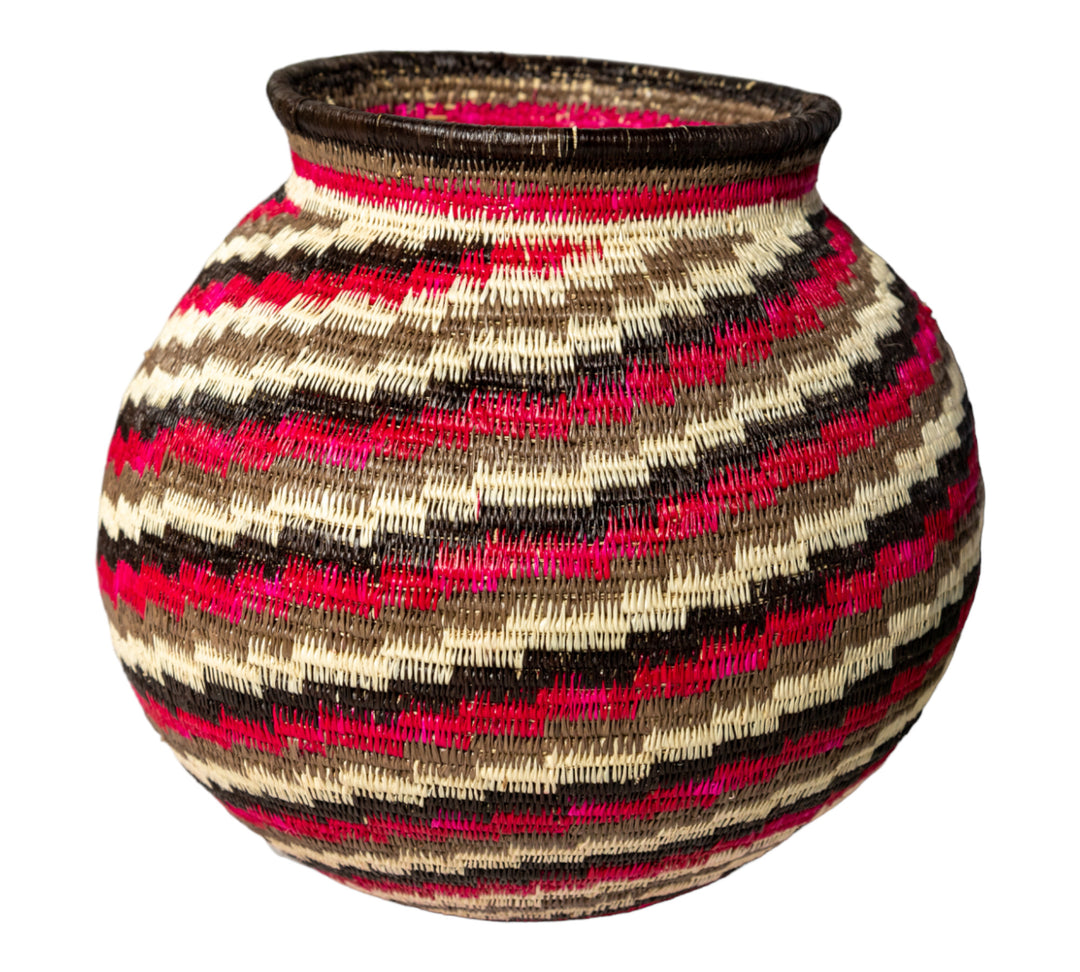
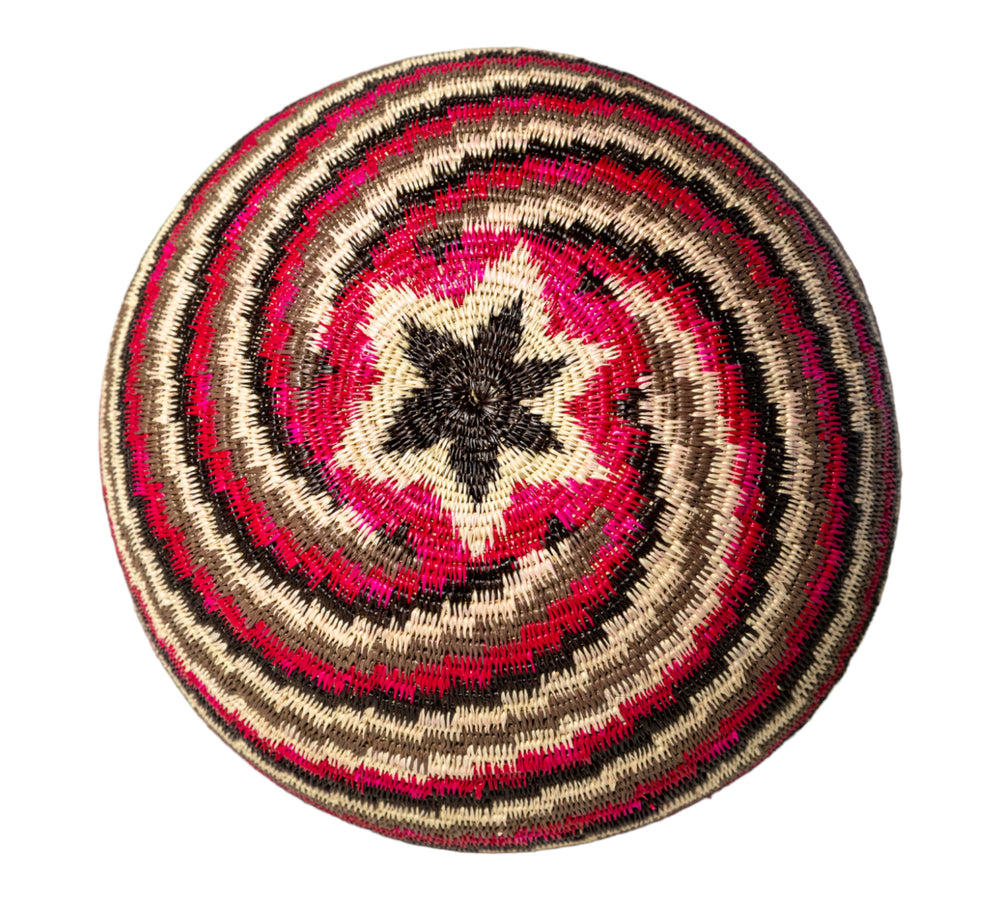
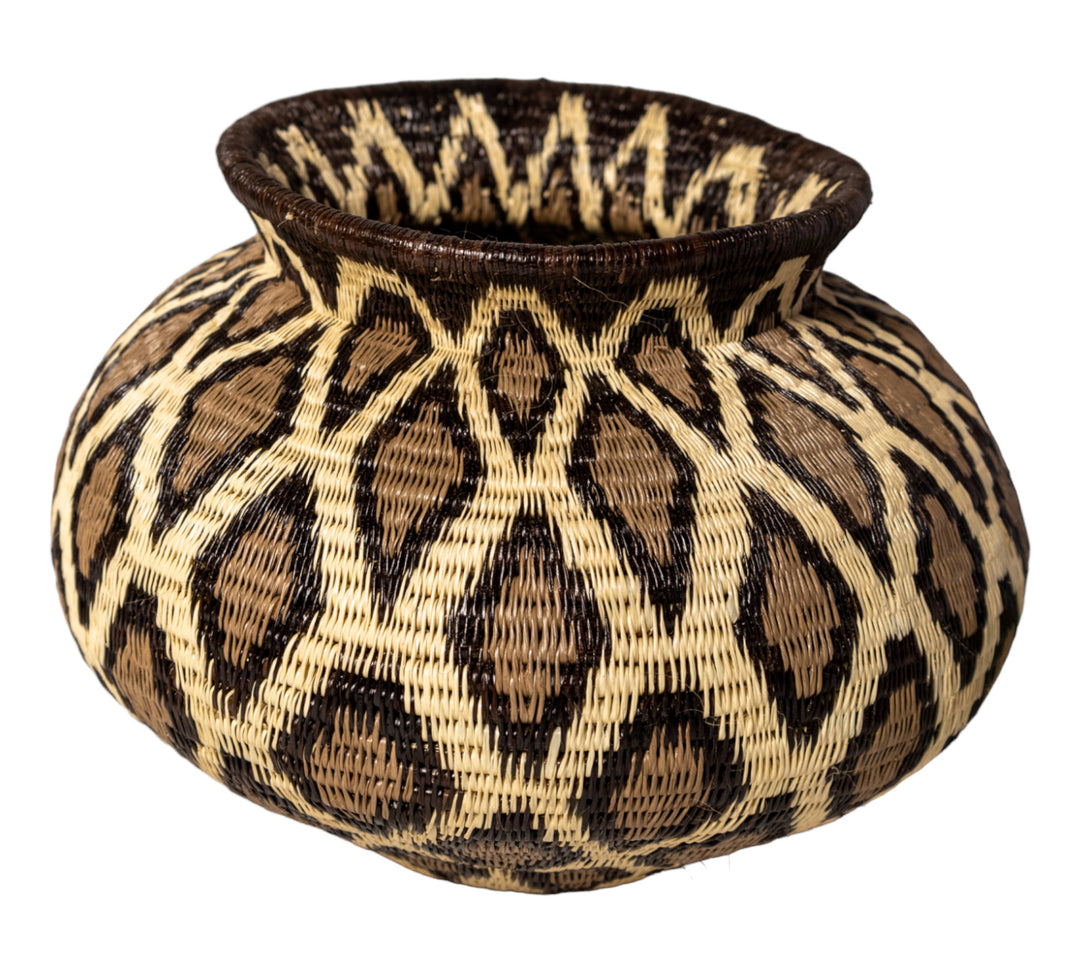
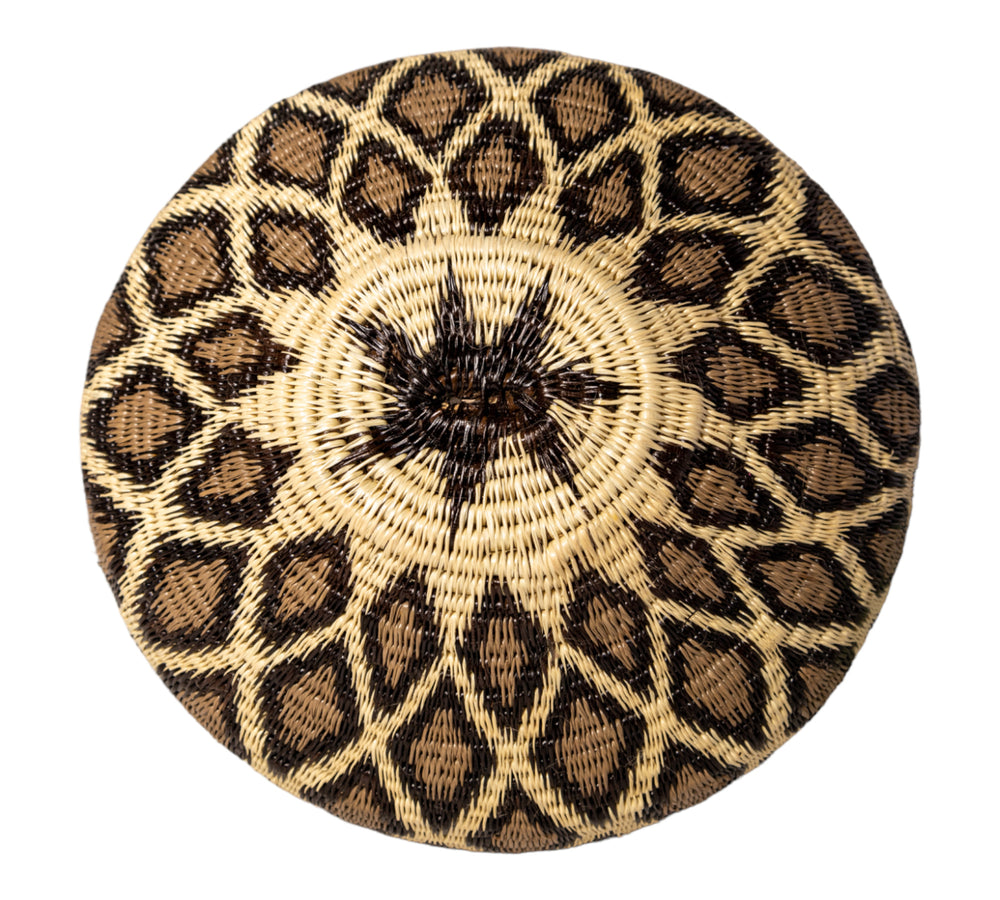
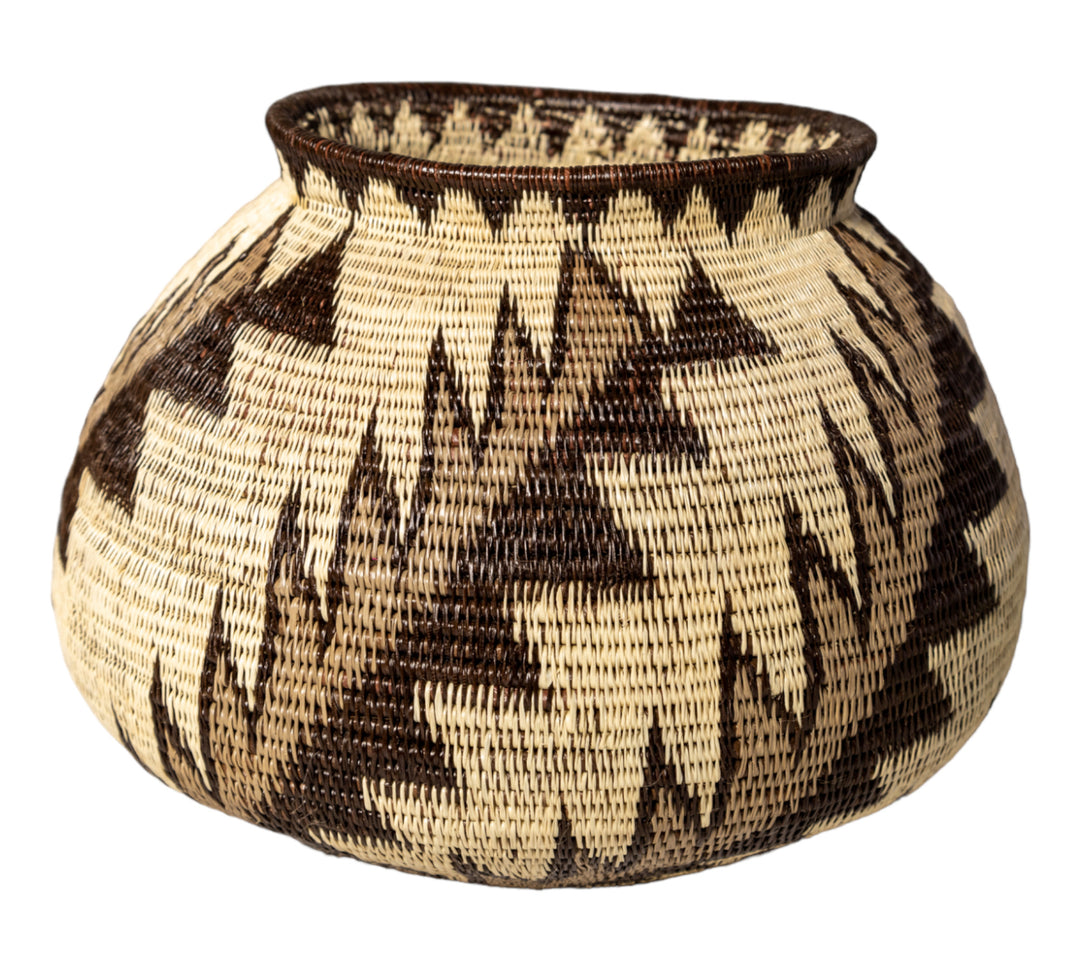
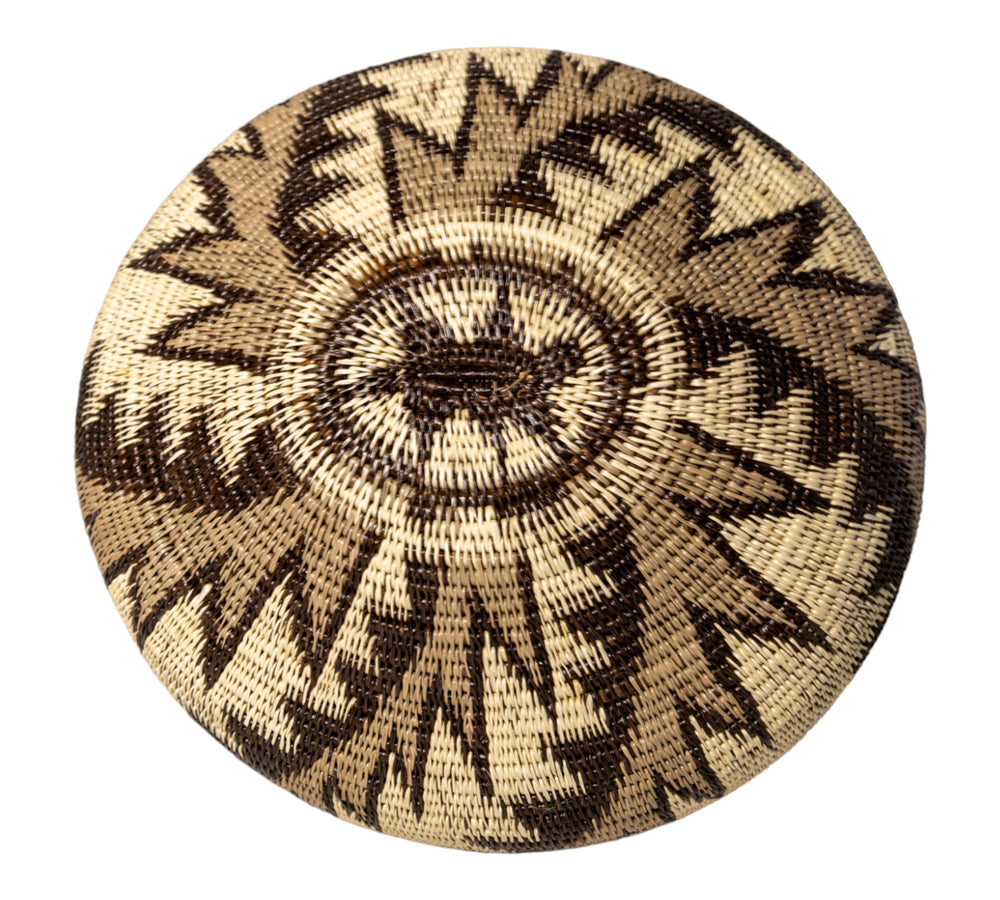
Panama's independence story adds a layer of meaning to every Panamanian piece you own. A woven basket from the Darién is a beautiful object, and it is also a tradition maintained by indigenous communities who fought for autonomy inside a nation that was itself fighting for autonomy.
A mola is a colorful textile, and it is also a Guna woman's assertion of who she is in a post-colonial country. Understanding that does not change how the art looks. It changes how it feels, and that is usually the difference between a casual purchase and a real collection.

Frequently Asked Questions
When is Panama's independence day?
Panama has two. November 3 marks separation from Colombia in 1903 and is the main national holiday. November 28 marks independence from Spain in 1821. Because both are celebrated along with Flag Day, Colón Day, and the First Cry, November functions as one long national month.
Why does Panama celebrate independence twice?
Because it separated from two different powers. In 1821 the isthmus left Spain and joined Gran Colombia. In 1903 it separated from Colombia and became an independent republic. Each break earned its own commemoration, and Panama kept both rather than choosing between them.
What is el Mes de la Patria?
It is the name Panamanians give to November, the Month of the Fatherland. The month opens with a run of national holidays and continues with parades, school ceremonies, folk performances, and civic events. It is the most visually rich period of the Panamanian year.
What is the First Cry of Independence?
The Primer Grito de Independencia took place on November 10, 1821, when La Villa de Los Santos became the first community on the isthmus to declare independence from Spain. It triggered the wider movement that led to Panama's formal break from Spanish rule later that month.
How does Panamanian independence relate to the Canal?
Directly. The United States supported Panama's 1903 separation from Colombia in exchange for the right to build the Canal. That agreement defined Panamanian politics for a century and only fully closed when Panama assumed sovereignty over the Canal on December 31, 1999.
What art should I buy to celebrate Panamanian culture?
Start with a Guna mola, the country's most recognizable art form and the one most tied to cultural identity. Handwoven Darién baskets and carved festival masks are the natural companions. Buy from fair-trade sources so the money reaches the communities that keep these traditions alive.
Celebrate Panama's Story Through Its Art
You do not have to wait for November. The traditions that fill Panama's independence month live year-round in the hands of the artists who carry them, and buying their work is the most direct way to keep them going.
Browse our Guna mola collection, explore handwoven baskets from the Darién, and see the carved masks behind Panama's festival traditions. Every purchase sends revenue back to the artisan families who made the work.
Image Credits
First flag raised in Colón and American sailors in Colón: J. L. Maduro postcards, 1903. Courtesy of CZ Images / William P. McLaughlin.
Sinking of the Lautaro, 1902: photo by Donald Velasco, colorized by Carlos Chahin, CC BY-SA 2.5, via Wikimedia Commons.
Victoriano Lorenzo: photographer unknown, public domain, via Wikimedia Commons.
Signers of the peace treaty aboard the USS Wisconsin, 1902: public domain, via Wikimedia Commons.
Troops on review in Panama City, 1903: The Tacoma Times, December 22, 1903, Library of Congress, Chronicling America, public domain, via Wikimedia Commons.
Manuel Amador Guerrero: photo by Scherer, from The World's Work (1904), public domain, via Wikimedia Commons.
Political cartoons "The Man Behind the Egg" (Frank Crane, 1903) and "Run Away, Little Man, and Don't Bother Me!" (1903): Theodore Roosevelt Papers, Library of Congress Manuscript Division, via the Theodore Roosevelt Digital Library, Dickinson State University. No known restrictions on publication.
Christening of the flag of the Republic of Panama: from Farnham Bishop, Panama, Past and Present (1916), public domain, via Wikimedia Commons.
Church of San Atanasio, La Villa de Los Santos: photo by Ssaucedoc, CC BY-SA 4.0, via Wikimedia Commons.
Cathedral Plaza, Panama City, 1875: photo by Eadweard Muybridge, public domain, digitally colorized.
All other photos: TraderBrock and friends of TraderBrock, used with permission.




Leave a comment